

How to Safely Remove Lead Paint? THE HAZMAT TEAM Guide
Protect your property. Call 714-475-0925 today!
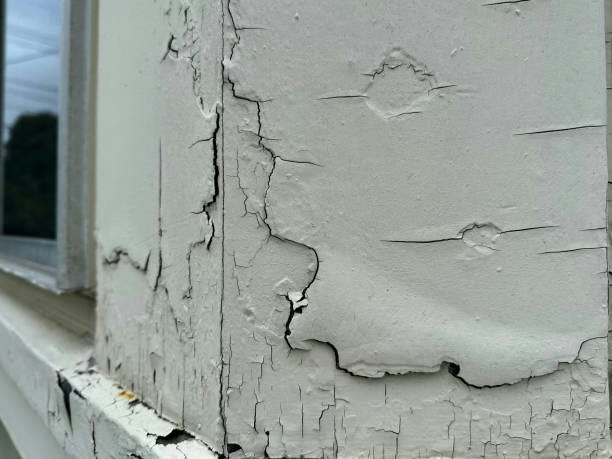
Contending with legacy lead-based paint requires far more than basic scraping or sanding. Proper lead abatement involves strict containment-focused procedures designed to help prevent hazardous lead dust from spreading throughout the property. In older Westminster and Orange County homes, disturbing lead-based paint without the appropriate controls can create serious environmental and health concerns. THE HAZMAT TEAM approaches lead abatement as a highly regulated environmental remediation process focused on safety, compliance, and proper containment.
Key Takeaways
• Total Containment Matters: Professional containment systems and negative air pressure help reduce the spread of lead dust into unaffected areas.
• HEPA Filtration Is Essential: Standard household vacuums are not designed to safely capture microscopic lead particles. Industrial HEPA filtration systems are critical during remediation.
• Regulatory Compliance Is Important: EPA RRP regulations and California requirements establish strict standards for handling and disposing of lead-contaminated materials.
• Professional Clearance Procedures: Third-party clearance testing and verification procedures help confirm that remediation was completed properly.
What Is Safe Lead Paint Removal?
Safe lead paint removal refers to the controlled process of isolating, removing, stabilizing, and disposing of lead-containing materials while minimizing the spread of hazardous dust and debris. Professional remediation often includes containment barriers, negative air pressure systems, wet-removal procedures, HEPA filtration, and specialized cleaning methods designed to help maintain safer working conditions throughout the project.
How to Safely Remove Lead Paint Professionally
Safely addressing lead paint follows a strict sequence of containment, removal, cleaning, and verification procedures.
1. Professional Inspection and Risk Assessment
Lead concentrations may be evaluated using XRF analyzers or laboratory testing. The condition of painted surfaces is also assessed to determine the appropriate remediation or stabilization approach.
2. Site Preparation and Containment
Supply and return vents are isolated to help reduce the spread of airborne particles throughout the structure. Professional containment barriers, decontamination areas, and controlled entry procedures help minimize cross-contamination during the project.
3. Controlled Removal and Stabilization
Wet-removal methods and HEPA-equipped tools are commonly used to reduce airborne dust during physical removal. In some situations, encapsulating coatings may also be applied to isolate lead-containing materials when removal is not feasible.
4. HEPA Cleaning and Decontamination
Detailed HEPA vacuuming and specialized cleaning procedures are performed throughout the containment area to address residual lead dust on surfaces and building materials.
5. Final Clearance and Waste Disposal
Third-party clearance testing may be performed to help verify that the project meets applicable remediation standards. Hazardous waste materials are packaged, transported, and disposed of according to California regulations.
Why Proper Lead Removal Matters
Lead exposure can present significant health risks, especially for children and pregnant individuals. Proper remediation procedures help reduce exposure risks while also helping property owners maintain regulatory compliance and proper project documentation.
Technical Equipment and Safety Procedures
• Negative Air Machines: Industrial HEPA-filtered air scrubbers help maintain containment conditions and reduce airborne particle migration.
• Personal Protective Equipment (PPE): Respirators, protective suits, gloves, and other PPE are used to help reduce worker exposure and contamination transfer.
• HEPA Filtration: HEPA systems are capable of capturing extremely small airborne particles that standard filtration systems may miss.
Protect your property. Call 714-475-0925 today!
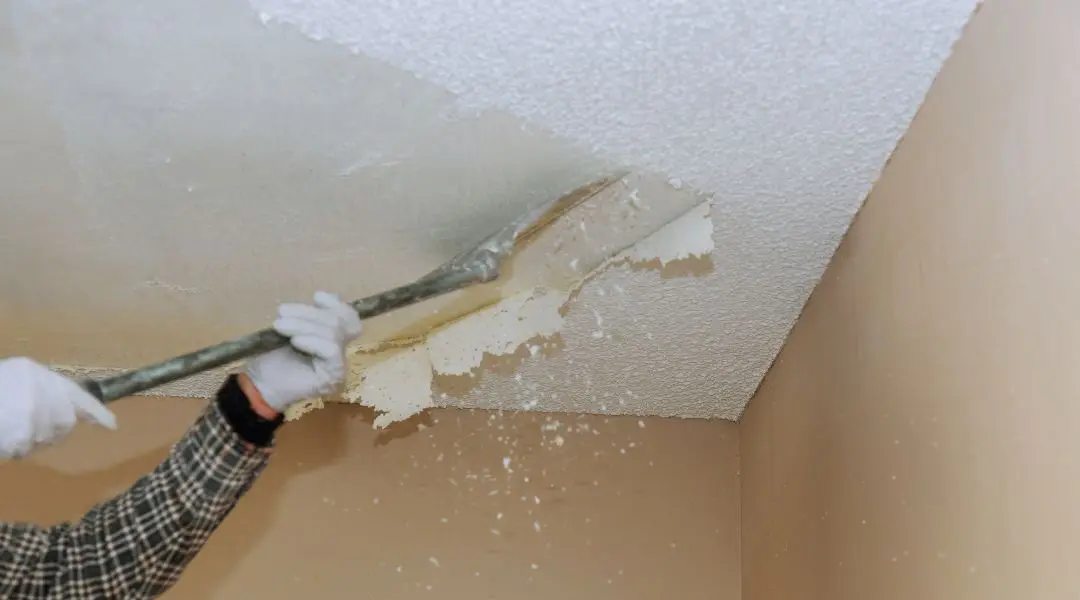
General Contractors vs. Certified Lead Abatement Specialists
The difference between standard renovation practices and professional lead abatement procedures can significantly impact containment quality and safety outcomes.
• Dust Control
General Contractor Approach: Basic plastic barriers
THE HAZMAT TEAM Professional Process: Professional containment with negative air pressure
• Vacuum Technology
General Contractor Approach: Standard shop vacuum
THE HAZMAT TEAM Professional Process: Industrial HEPA filtration systems
• Waste Disposal
General Contractor Approach: General construction disposal
THE HAZMAT TEAM Professional Process: Hazardous material handling procedures
• Testing
General Contractor Approach: Visual inspection only
THE HAZMAT TEAM Professional Process: Third-party clearance testing
Common Lead Abatement Terms Explained
• Abatement: Permanent measures intended to address lead-based paint hazards.
• Encapsulation: Application of a durable coating designed to isolate lead-containing surfaces from contact.
• HEPA (High-Efficiency Particulate Air): Specialized filtration capable of capturing extremely small airborne particles.
• Friable Material: Material that can easily break apart or release particles when disturbed.
The Hidden Danger of Lead Dust
Lead dust particles are often invisible to the naked eye and can spread throughout a property if proper containment and cleaning procedures are not followed. Improper DIY removal methods may unintentionally spread contamination into carpets, ductwork, and occupied living areas.
Work With a Certified Lead Abatement Team
Lead abatement is a highly regulated process that requires proper containment procedures, specialized equipment, and compliance-focused remediation practices. THE HAZMAT TEAM helps property owners address lead-containing materials safely, professionally, and in accordance with California environmental regulations.
Contact us today or visit our website if you wish to learn more about hazmat lead removal or need to schedule an inspection at 714-908-8821!
Protect your property. Call 714-475-0925 today!

Frequently Asked Questions
Q: What is the safest way to remove lead paint?
A: Professional remediation using containment barriers, negative air pressure, wet-removal methods, and HEPA filtration is considered one of the safest approaches for managing lead-containing materials.
Q: Can I remove lead paint myself?
A: DIY removal may unintentionally spread hazardous lead dust throughout the property. Professional containment and cleaning procedures are strongly recommended.
Q: How do I know if my home contains lead paint?
A: Homes built before 1978 may contain lead-based paint. Testing can be performed using XRF analyzers or qualified environmental laboratory analysis.
Q: How long does lead paint removal take?
A: Many standard residential projects take approximately two to three days depending on the size of the project, surface conditions, and clearance requirements.
Q: Does THE HAZMAT TEAM perform lead abatement services in Orange County?
A: Yes. THE HAZMAT TEAM provides professional lead remediation and environmental cleanup services throughout Orange County and surrounding areas.
Services We Offer