

Can Lead Paint Make You Sick? What Every Homeowner Should Know
Protect your property. Call 714-475-0925 today!
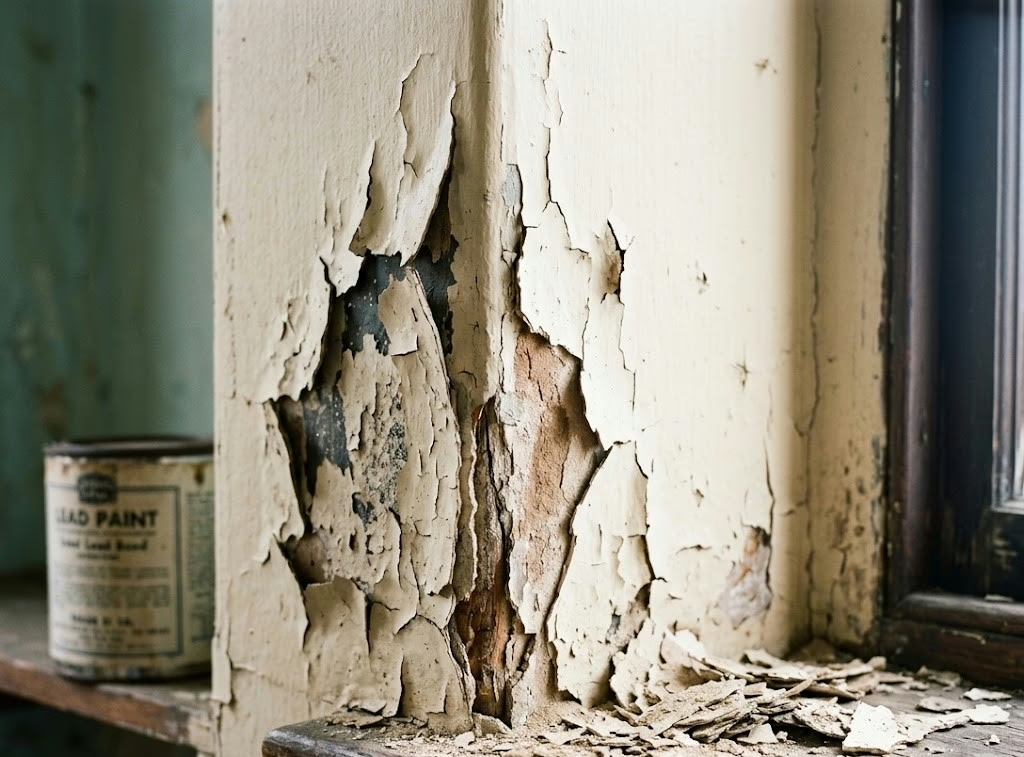
If your home was built before 1978, there’s a chance it contains lead-based paint. While lead paint isn’t always dangerous, it can become a serious health hazard when it begins to peel, chip, crack, or is disturbed during remodeling, repair, or demolition activities.
When lead-based paint deteriorates, it can create microscopic dust that is easily inhaled or accidentally swallowed. Because the particles are often invisible, many homeowners don’t realize they are being exposed. Young children, pregnant women, and pets are especially vulnerable, making it important to understand when lead paint becomes hazardous and what steps can be taken to reduce the risk.
The good news is that the presence of lead paint does not automatically mean your home is unsafe. Many older homes still contain lead-based paint that remains stable and undisturbed beneath newer layers of paint. Problems typically arise when painted surfaces begin to deteriorate or are disturbed during renovation projects without proper precautions.
Knowing how lead exposure occurs, recognizing when professional assistance is needed, and understanding the difference between lead testing and lead abatement can help you make informed decisions for your family and your property.
At THE HAZMAT TEAM, we provide professional lead abatement and lead-containing material removal services throughout Orange County and surrounding Southern California communities. If testing is needed to determine whether lead is present, we recommend working with an independent lead inspector or environmental consultant. Once lead-containing materials have been identified, our licensed team can safely perform the abatement work in accordance with applicable California and federal requirements.
Key Takeaways
- Homes built before 1978 may contain lead-based paint.
- Lead paint generally becomes hazardous when it is peeling, chipping, deteriorating, or disturbed during remodeling or demolition.
- Lead exposure most commonly occurs by breathing or swallowing contaminated dust.
- Children under six years old and pregnant women are at the greatest risk for health effects.
- Lead paint cannot be identified by appearance alone. Independent testing is recommended before disturbing suspect materials.
- Professional lead abatement helps reduce exposure while following California and federal safety requirements.
- THE HAZMAT TEAM specializes in the safe removal and abatement of lead-containing materials. We do not perform lead testing and recommend using an independent environmental professional for inspections and testing.
Can Lead Paint Really Make You Sick?
Yes,but understanding how lead exposure occurs is just as important as knowing that it can.
Lead is a naturally occurring metal that was widely used in residential paint because it increased durability, resisted moisture, and provided long-lasting coverage. Although residential lead-based paint was banned for consumer use in 1978, millions of homes throughout California still contain these older coatings.
Lead paint becomes a concern when it begins to deteriorate or is disturbed. Activities such as sanding, scraping, drilling, demolition, replacing old windows, or even repeatedly opening and closing painted windows and doors can create fine lead-contaminated dust. Once this dust settles on floors, furniture, toys, or other household surfaces, it can be inhaled or accidentally swallowed.
Unlike many household contaminants, lead does not simply pass through the body. Instead, it can accumulate over time, particularly with repeated exposure. Because of this, even low levels of ongoing exposure can become a concern, especially for children whose brains and nervous systems are still developing.
One of the challenges with lead exposure is that it often occurs without obvious warning signs. Many families are unaware there is a problem until testing reveals elevated blood lead levels or deteriorating paint is discovered during a remodeling project.
Fortunately, lead hazards can often be prevented through proper planning, routine maintenance of painted surfaces, and safe renovation practices. Understanding the risks before beginning a project is one of the most effective ways to protect your family.
How Does Lead Paint Affect Your Health?
Lead is a toxic metal that can affect nearly every organ system in the body, but it is particularly harmful to the brain and nervous system. Once absorbed into the bloodstream, lead can be stored in the bones and other tissues for many years.
Exposure most often occurs when lead-contaminated dust or paint particles are inhaled or swallowed. This can happen during renovation projects, through deteriorating paint, or by touching contaminated surfaces and then placing hands near the mouth.
The effects of lead exposure depend on several factors, including the amount of lead absorbed, the length of exposure, and the age and overall health of the individual. Children absorb lead more readily than adults, making them especially vulnerable to its effects.
Unlike many illnesses that produce immediate symptoms, lead exposure often develops gradually. Someone may have elevated blood lead levels without feeling sick or recognizing any obvious symptoms. This is one reason why prevention and early identification are so important.
If you believe you or a family member may have been exposed to lead, consult your healthcare provider. A blood lead test is the most reliable way to determine whether exposure has occurred.
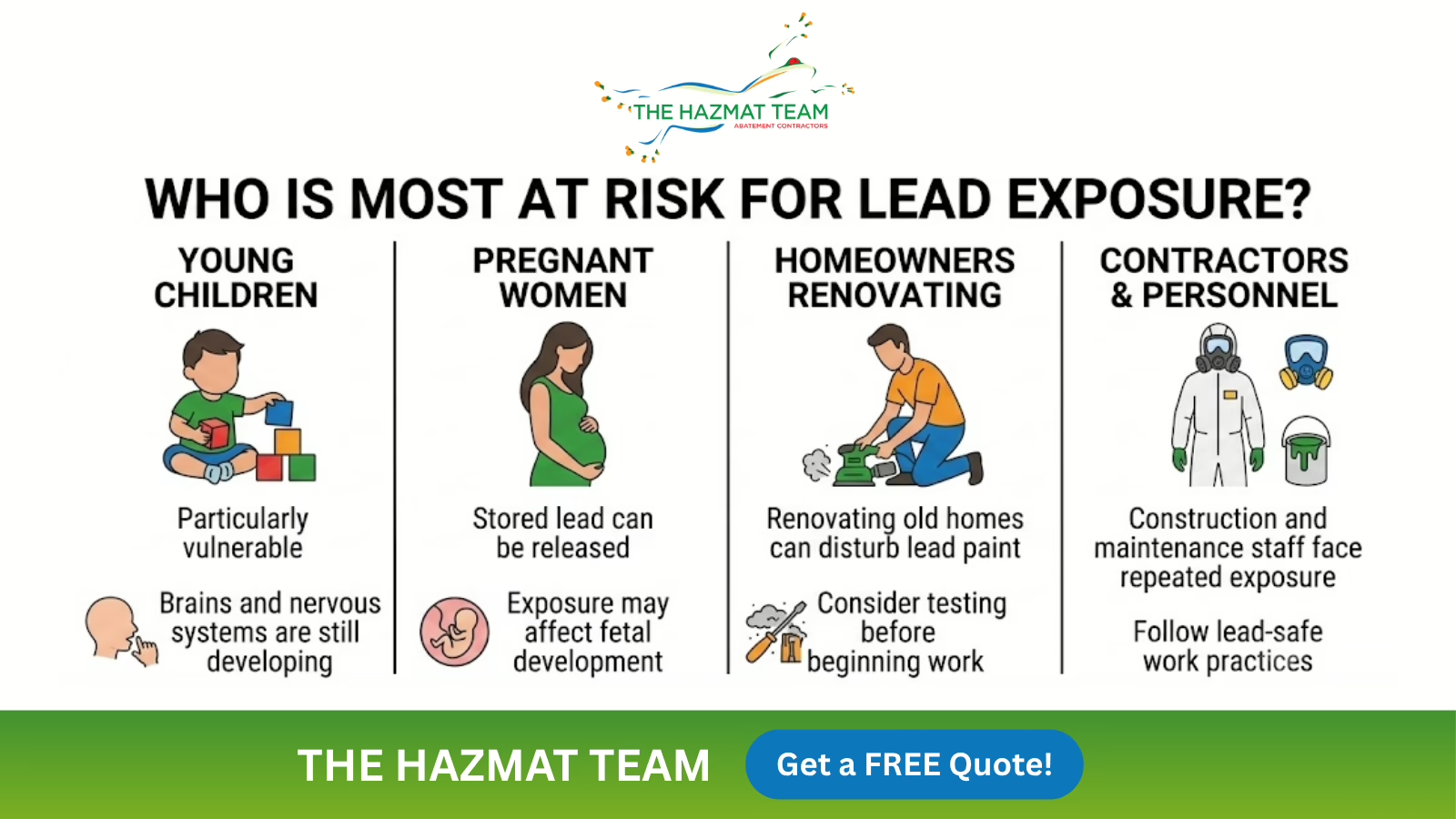
Who Is Most at Risk for Lead Exposure?
Although anyone can be affected by lead, certain groups face a significantly higher risk than others.
Young Children
Children younger than six years old are particularly vulnerable because they frequently place their hands, toys, and other objects in their mouths after playing on floors or around windows and doors where lead-contaminated dust may accumulate.
Their bodies also absorb lead more efficiently than adults, and because their brains and nervous systems are still developing, even relatively small amounts of exposure may have greater consequences.
For these reasons, families with young children should use extra caution when renovating older homes.
Pregnant Women
Pregnant women should also take precautions around potential lead hazards. Lead stored in the body can be released during pregnancy, and exposure may affect fetal development.
If lead exposure is suspected during pregnancy, it is important to consult a healthcare provider for guidance.
Homeowners Renovating Older Homes
Many homeowners unintentionally create lead hazards while improving their homes.
Replacing windows, removing cabinets, sanding trim, demolishing walls, repairing plumbing, or upgrading electrical systems can all disturb older painted surfaces if lead-based paint is present.
Before beginning renovation work on a home built before 1978, homeowners should consider whether lead-containing paint may be present and whether independent testing is appropriate.
Contractors and Maintenance Personnel
Construction workers, painters, maintenance staff, and others who regularly work in older buildings may experience repeated exposure if lead-safe work practices are not followed.
Using proper containment methods, personal protective equipment, and approved cleaning procedures helps reduce the risk of exposure while protecting both workers and building occupants.
Protect your property. Call 714-475-0925 today!
Which Homes Are Most Likely to Contain Lead Paint?
One of the most common questions homeowners ask is:
“If my house is old, does that automatically mean it has lead paint?”
The answer is not necessarily,but the older the home, the greater the likelihood that lead-based paint may be present.
Lead-based paint was widely used in residential construction for decades because it provided excellent durability, resisted moisture, and maintained its appearance for years. Although it was banned for residential use in 1978, millions of homes across the United States,including many throughout Southern California,were built long before that ban took effect.
Understanding the age of your home is one of the first steps in assessing potential lead hazards.
Homes Built Before 1940
Homes constructed before 1940 have the highest likelihood of containing multiple layers of lead-based paint. Over the decades, these homes have often been repainted numerous times, leaving older lead-containing coatings buried beneath newer finishes.
Common locations include:
- Original wood windows
- Interior doors
- Baseboards
- Crown molding
- Decorative trim
- Stair railings
- Built-in cabinetry
- Exterior siding
Even if these surfaces appear modern, older paint layers may still exist underneath.
Homes Built Between 1940 and 1959
Lead-based paint remained widely used during this period. Many homes built during these years still contain lead paint on both interior and exterior surfaces.
Areas commonly affected include:
- Window frames
- Door jambs
- Kitchen cabinets
- Bathroom cabinetry
- Exterior trim
- Fascia boards
- Garage doors
- Porch railings
If your home falls within this age range and you’re planning renovations, it’s wise to determine whether lead-based paint is present before beginning work.
Homes Built Between 1960 and 1977
Although manufacturers gradually reduced the use of lead in residential paint during these years, lead-based products were still legally available and frequently used.
Many homes built during this period contain lead paint in isolated areas rather than throughout the entire structure.
Homeowners should avoid assuming these homes are lead-free simply because they were built closer to 1978.
Homes Built After 1978
Residential paints manufactured after the federal ban generally do not contain lead.
However, isolated lead hazards may still exist due to:
- Imported building materials
- Older architectural components reused during renovations
- Historic additions
- Antique doors or windows incorporated into newer homes
Although the overall risk is significantly lower, the age of individual building materials,not just the construction date of the home,should be considered.
The Age of Your Home Is Only One Clue
It’s important to remember that a home’s construction date alone cannot confirm whether lead paint is present.
Some older homes have undergone complete renovations with lead-containing materials professionally removed, while others remain largely original.
The only reliable way to determine whether painted surfaces contain lead is through testing performed by an independent lead inspector or environmental consultant.
Where Is Lead Paint Commonly Found?
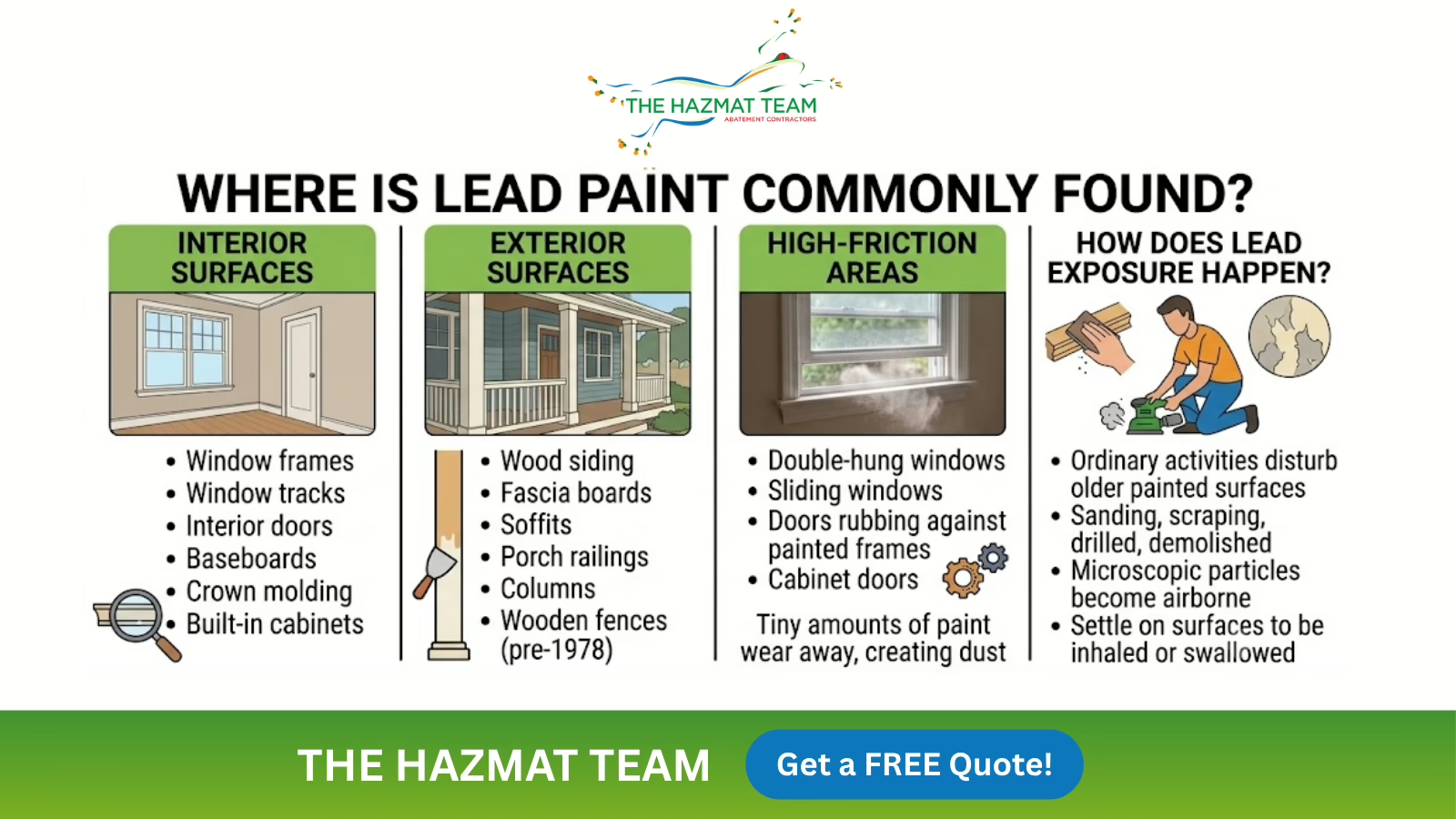
Lead-based paint is most commonly found on surfaces that have experienced decades of everyday use.
Many homeowners expect to find it only on walls, but in reality, lead paint is often concentrated on woodwork, trim, windows, doors, and exterior architectural features.
Common locations include:
Interior Surfaces
- Window frames
- Window sashes
- Window tracks
- Interior doors
- Door frames
- Baseboards
- Crown molding
- Chair rails
- Built-in cabinets
- Stair railings
- Decorative wood trim
Exterior Surfaces
- Wood siding
- Fascia boards
- Soffits
- Porch railings
- Columns
- Detached garages
- Storage sheds
- Exterior doors
- Wooden fences built before 1978
High-Friction Areas
One of the most significant,but often overlooked,sources of lead dust comes from painted surfaces that repeatedly rub against one another.
Examples include:
- Double-hung windows
- Sliding windows
- Doors rubbing against painted frames
- Cabinet doors
- Closet doors
Every time these surfaces move, tiny amounts of paint may wear away, creating dust that settles nearby.
Because these particles are often invisible, homeowners may not realize they are accumulating on floors, window sills, furniture, or children’s toys.
How Does Lead Exposure Happen?
Many people assume lead exposure only occurs when paint is visibly peeling or falling off the walls.
In reality, exposure often occurs during ordinary activities that disturb older painted surfaces.
When lead-containing paint is sanded, scraped, drilled, demolished, or allowed to deteriorate over time, microscopic particles can become airborne.
These particles eventually settle on household surfaces where they may be inhaled or accidentally swallowed.
Common sources of lead exposure include:
- Sanding painted trim
- Scraping old paint
- Window replacement
- Door replacement
- Demolition during remodeling
- Peeling paint
- Water-damaged painted surfaces
- Deteriorating exterior paint
- Improper cleanup after renovation
One of the biggest misconceptions is that only major demolition creates lead hazards.
In reality, something as simple as replacing an old window can generate significant amounts of lead-contaminated dust if proper precautions are not taken.
Without appropriate containment and cleaning procedures, this dust can spread well beyond the immediate work area.
For this reason, homeowners should avoid disturbing painted materials in older homes until they understand whether lead may be present.
Protect your property. Call 714-475-0925 today!
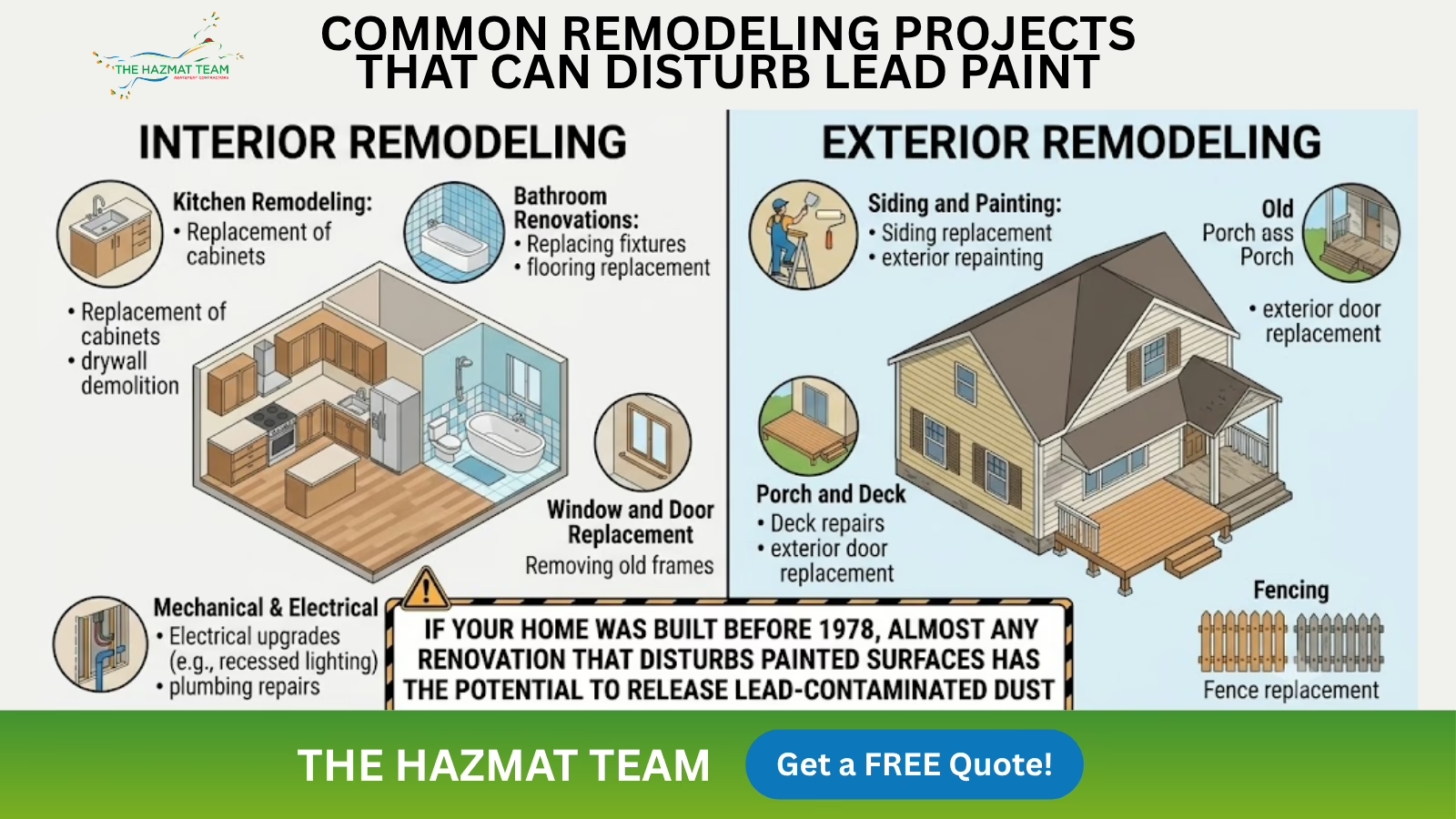
Common Remodeling Projects That Can Disturb Lead Paint
Home improvement projects are one of the most common ways lead hazards are unintentionally created.
If your home was built before 1978, almost any renovation that disturbs painted surfaces has the potential to release lead-contaminated dust.
Projects that commonly disturb lead-containing materials include:
- Kitchen remodeling
- Bathroom renovations
- Window replacement
- Door replacement
- Cabinet removal
- Flooring replacement
- Drywall demolition
- Electrical upgrades
- Plumbing repairs
- HVAC installation
- Recessed lighting installation
- Interior painting that requires sanding
- Exterior repainting
- Siding replacement
- Deck repairs
- Fence replacement
Protect your property. Call 714-475-0925 today!
This does not mean these projects cannot be completed safely.
It simply means they should be approached with an understanding of the home’s age and the potential presence of lead-containing paint.
Planning ahead can help prevent unexpected delays, reduce cleanup costs, and protect your family from unnecessary exposure.
Before beginning any renovation in a pre-1978 home, homeowners should consider consulting an independent lead inspector or environmental consultant if there is reason to believe lead-containing paint may be present.
Once lead-containing materials have been identified, THE HAZMAT TEAM can safely perform the necessary lead abatement work using methods designed to minimize the spread of contamination while complying with applicable California and federal requirements.
Signs and Symptoms of Lead Exposure
One of the most challenging aspects of lead exposure is that it often develops gradually. Unlike many household hazards that produce immediate symptoms, lead exposure may occur over weeks, months, or even years without obvious warning signs.
The effects of lead depend on several factors, including the amount of lead absorbed, the duration of exposure, the individual’s age, and overall health. Because symptoms can resemble many other medical conditions, lead exposure may go unrecognized without proper medical evaluation.
If you believe you or a family member has been exposed to lead, consult your healthcare provider. A blood lead test is the most reliable way to determine whether exposure has occurred.
Possible Symptoms in Children
Young children are particularly vulnerable because their bodies absorb lead more readily than adults, and their brains and nervous systems are still developing.
Possible symptoms may include:
- Developmental delays
- Learning difficulties
- Difficulty paying attention
- Behavioral changes
- Irritability
- Fatigue
- Loss of appetite
- Weight loss
- Abdominal pain
- Constipation
- Vomiting
- Slower growth
- Hearing problems
Many children with elevated blood lead levels do not appear noticeably ill. For this reason, healthcare providers may recommend blood lead testing when exposure is suspected, even if no obvious symptoms are present.
Possible Symptoms in Adults
Adults exposed to elevated levels of lead may experience:
- Persistent headaches
- Difficulty concentrating
- Memory problems
- Fatigue
- Muscle and joint pain
- Mood changes
- High blood pressure
- Numbness or tingling in the hands and feet
Long-term exposure has also been associated with additional health concerns affecting multiple body systems. If you’re wondering, can lead paint make you sick, prolonged exposure to lead-contaminated dust or paint particles can pose serious health risks. If exposure is suspected, seek medical advice promptly rather than waiting for symptoms to worsen.
It is important to remember that these symptoms are not unique to lead exposure. Only a qualified healthcare provider can determine whether lead is the cause of a person’s symptoms.
Can You Tell If Paint Contains Lead Just by Looking?
No.
Lead-based paint cannot be identified simply by its appearance.
Its color, texture, thickness, or condition cannot determine whether lead is present. A freshly painted wall may still contain several layers of older lead-based paint beneath modern coatings, while paint that appears to be in excellent condition may still contain lead.
Likewise, peeling paint is not automatically lead paint.
Because lead cannot be identified visually, homeowners should avoid making assumptions based on the appearance of painted surfaces alone.
The only reliable way to determine whether painted materials contain lead is through testing performed by an independent lead inspector or environmental consultant.
Common Lead Testing Methods
X-Ray Fluorescence (XRF)
XRF analyzers allow trained inspectors to detect lead beneath multiple layers of paint without damaging the surface. Results are available immediately, making this one of the most common methods used during residential inspections.
Paint Chip Analysis
Small paint samples are carefully collected and submitted to an accredited laboratory for analysis. This method confirms whether lead is present within the sampled coating.
Dust Wipe Sampling
Dust wipe samples measure the amount of lead dust present on surfaces such as floors, window sills, and window troughs. This testing is often used after renovation or abatement work to verify that dust levels meet applicable clearance standards.
Soil Testing
In some cases, an environmental consultant may recommend soil testing around older homes where exterior lead-based paint has deteriorated over time.
At THE HAZMAT TEAM, we do not perform lead testing. We believe testing and abatement should remain independent services to provide homeowners with objective results.
Once lead-containing materials have been identified by an independent environmental professional, our licensed team can safely perform the necessary lead abatement work.
What Should You Do If You Suspect Lead Paint?
Learning that your home may contain lead-based paint can be unsettling, but there is no need to panic.
Many homes built before 1978 continue to safely contain lead-based paint that remains intact and undisturbed. The greatest concern arises when painted surfaces begin to deteriorate or are disturbed during remodeling or repair work.
Taking the proper precautions before beginning a project can significantly reduce the risk of exposure.
Inspect Painted Surfaces Regularly
Periodically examine painted surfaces for signs of peeling, chipping, cracking, blistering, or water damage.
Addressing deteriorating paint promptly can help minimize the spread of lead-contaminated dust.
Avoid Disturbing Suspect Materials
Until you know whether lead is present, avoid sanding, scraping, drilling, cutting, or demolishing painted surfaces unnecessarily.
Disturbing painted materials without proper precautions can spread contamination throughout the home.
Clean Using Damp Methods
Dust and debris should be removed using damp cleaning methods whenever appropriate.
Dry sweeping may redistribute dust into the air, increasing the likelihood of exposure.
Wash Hands Frequently
Children should wash their hands regularly, particularly before eating and after playing on floors or near windows and doors in older homes.
Frequently cleaning toys and other objects that young children place in their mouths is also a good habit.
Plan Before Renovating
If your home was built before 1978 and you are planning renovations, determine whether painted surfaces should be evaluated before work begins.
Understanding potential lead hazards early can help avoid unexpected project delays and reduce the likelihood of contamination.
Common DIY Mistakes to Avoid
Home improvement projects are rewarding for many homeowners, but when lead-containing paint may be present, certain practices can unintentionally create serious hazards.
Avoid these common mistakes:
- Dry sanding painted surfaces
- Dry scraping peeling paint
- Demolishing walls without considering the age of the home
- Using heat guns on suspect painted surfaces
- Burning painted materials
- Cleaning suspected lead dust with ordinary household vacuums
- Allowing children or pets inside active work areas
- Failing to isolate renovation areas from occupied portions of the home
- Wearing work shoes throughout the home after demolition activities
- Disposing of potentially contaminated debris without following applicable requirements
Another common mistake is assuming that painting over deteriorating lead paint permanently eliminates the hazard.
While encapsulation may be an appropriate management strategy in certain situations, it is not the right solution for every project. The appropriate approach depends on the condition of the painted surfaces, the planned renovation activities, and the recommendations of qualified professionals.
If significant lead-containing materials are present, homeowners should carefully consider whether professional lead abatement is the safest and most appropriate option.
Taking shortcuts when dealing with lead hazards can increase cleanup costs, delay renovation projects, and potentially expose family members to unnecessary risk.
Professional planning from the beginning often provides the safest, most cost-effective path forward.
California Lead Regulations Every Homeowner Should Know
If your home was built before 1978, it’s important to understand that lead paint is regulated under both federal and California law. These regulations exist to protect homeowners, workers, and occupants from unnecessary lead exposure during renovation, repair, and demolition activities.
Many homeowners are surprised to learn that the presence of lead paint is not, by itself, a violation of the law. In many cases, lead-based paint can remain safely in place if it is in good condition and is not being disturbed.
The concern arises when lead-containing materials are damaged, deteriorated, or affected by construction activities that can generate lead-contaminated dust.
California has some of the nation’s most comprehensive environmental and worker protection requirements, making it especially important to hire qualified professionals when lead hazards are present.
If you are planning renovations in an older home, ask questions before work begins. Understanding whether lead-containing materials may be present can help prevent unnecessary exposure, project delays, and costly cleanup.
When Is Professional Lead Abatement Recommended?
Every project is different, but professional lead abatement may be appropriate when:
- Lead-containing materials have been identified by an independent environmental professional.
- Painted surfaces are severely deteriorated.
- Renovation work will disturb lead-containing materials.
- A child or other vulnerable occupant has been exposed to lead hazards.
- Property owners wish to permanently address identified lead hazards rather than continue monitoring deteriorating materials.
- Government agencies or other project requirements call for lead hazard control measures.
Not every home containing lead paint requires complete removal. If you’re asking, can lead paint make you sick, the answer depends on the condition of the paint and whether it is disturbed. Depending on the condition of the materials and the planned work, an independent environmental professional may recommend monitoring, maintenance, encapsulation, enclosure, or abatement.
Understanding the available options allows homeowners to make informed decisions based on their specific circumstances.
What to Expect During a Professional Lead Abatement Project
If lead-containing materials have been identified, homeowners often wonder what the abatement process involves.
While every project is unique, most professional lead abatement projects follow a similar sequence designed to protect occupants while minimizing the spread of contamination.
Step 1: Project Evaluation
Every project begins with understanding the scope of work.
Factors considered include:
- The location of the lead-containing materials
- The condition of painted surfaces
- Planned renovation activities
- Occupancy of the home
- Accessibility of the affected areas
- Waste handling requirements
This information helps determine the safest and most effective approach.
Step 2: Preparing the Work Area
Before any removal begins, the work area is carefully prepared.
Preparation may include:
- Isolating the work area
- Protecting unaffected portions of the home
- Restricting access
- Installing containment barriers where appropriate
- Implementing engineering controls designed to reduce the migration of dust and debris
Proper preparation is one of the most important parts of any successful lead abatement project.
Step 3: Lead Abatement
Once the work area has been prepared, trained technicians begin removing or otherwise addressing the identified lead-containing materials using methods appropriate for the specific project.
The objective is always the same:
- Protect occupants.
- Protect workers.
- Minimize dust generation.
- Prevent contamination from spreading beyond the work area.
- Complete the project safely and efficiently.
Attempting to remove lead-containing materials without proper training can significantly increase contamination throughout a home.
Step 4: Detailed Cleaning
Removing the materials is only part of the process.
Following abatement, the work area is thoroughly cleaned using specialized procedures intended to remove residual dust and debris before containment is removed.
A clean work area is essential to the overall success of the project.
Step 5: Independent Clearance Testing
Many lead abatement projects conclude with clearance testing performed by an independent environmental consultant or laboratory.
This final evaluation helps verify that the work area meets the applicable clearance requirements before normal occupancy resumes.
Maintaining independence between testing and abatement provides homeowners with additional confidence that the evaluation remains objective.
Why Hiring the Right Contractor Matters
Lead abatement differs significantly from ordinary painting, demolition, or remodeling work.
Contractors unfamiliar with lead-safe work practices may unintentionally spread contamination by disturbing painted surfaces without proper containment or cleaning procedures.
Choosing an experienced lead abatement contractor helps protect:
- Your family
- Your home
- Your indoor environment
- Your renovation investment
When comparing contractors, consider asking questions such as:
- Do you specialize in lead abatement?
- How will the work area be contained?
- What procedures do you use to minimize dust?
- How will waste materials be handled?
- Will independent clearance testing be performed when appropriate?
- Are you familiar with California’s lead-related requirements?
A qualified contractor should welcome these questions and clearly explain the proposed work before the project begins.
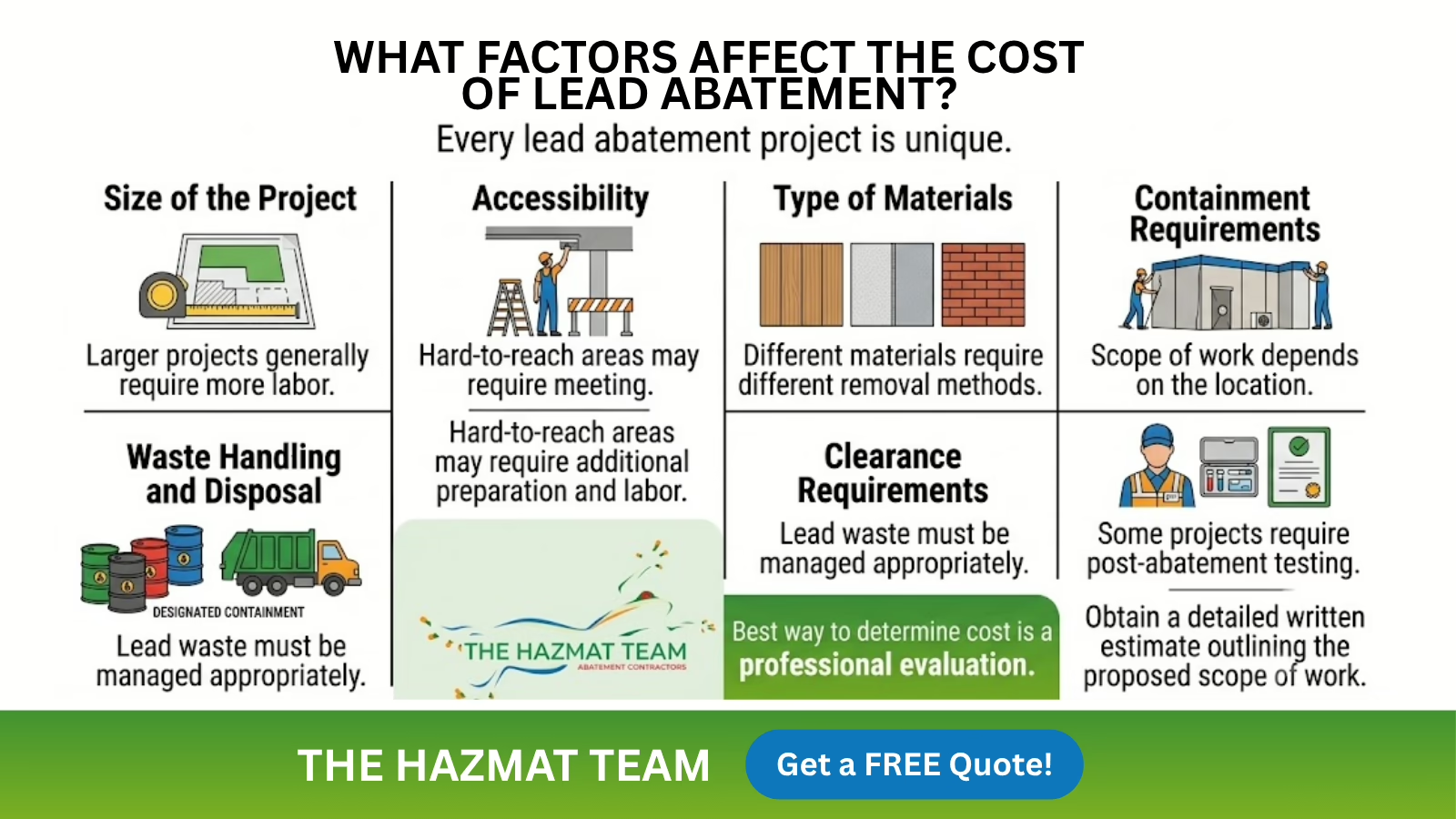
What Factors Affect the Cost of Lead Abatement?
Every lead abatement project is unique.
The total cost depends on numerous factors rather than a single square-foot price.
Common factors include:
Size of the Project
Larger projects generally require more labor, materials, containment, and disposal.
Accessibility
Hard-to-reach areas may require additional preparation and labor.
Type of Materials
Different building materials require different removal methods.
Containment Requirements
Some projects require more extensive containment than others depending on the location and scope of work.
Waste Handling and Disposal
Lead-containing waste must be managed appropriately in accordance with applicable regulations.
Clearance Requirements
Some projects require independent post-abatement clearance testing before reoccupancy.
Because every property is different, the best way to determine the cost of lead abatement is through a professional evaluation of the specific project.
Rather than relying on online averages, homeowners should obtain a detailed written estimate outlining the proposed scope of work.
Protect your property. Call 714-475-0925 today!
Why Homeowners Throughout Orange County Choose THE HAZMAT TEAM
Choosing an environmental contractor is about more than price.
You’re inviting professionals into your home to address a potential health concern, and you deserve a company that values safety, communication, and quality workmanship.
At THE HAZMAT TEAM, we believe homeowners should understand the process,not simply be handed an estimate.
Our goal is to provide clear communication from the initial inspection through project completion while performing lead abatement in accordance with applicable California and federal requirements.
Our customers appreciate that we:
- Take time to answer questions.
- Explain the scope of work before the project begins.
- Respect their homes and belongings.
- Maintain a clean, organized work environment.
- Coordinate with independent environmental professionals whenever testing or clearance verification is required.
- Focus on safety, professionalism, and long-term customer satisfaction.
Whether you’re planning a renovation, responding to deteriorating paint, or addressing lead hazards identified during an inspection, our experienced team is committed to helping you move forward with confidence.
Frequently Asked Questions About Lead Paint
Q: How do I know if my home contains lead-based paint?
A: The age of your home is one of the strongest indicators. Homes built before 1978 may contain lead-based paint, while homes built before 1940 are generally considered to have the highest likelihood.
However, the age of the home alone cannot confirm whether lead is present. Some older homes have undergone extensive renovations, while others still contain original painted surfaces.
The only reliable way to determine whether lead is present is through testing performed by an independent lead inspector or environmental consultant.
Q: Is lead paint dangerous if it has been painted over?
A: Not necessarily.
Lead paint that is fully encapsulated beneath intact layers of newer paint may present a much lower risk than paint that is peeling or deteriorating.
The greatest concern occurs when those painted surfaces become damaged or are disturbed during renovation, repair, or demolition.
If you are planning construction activities in an older home, it’s important to determine whether lead-containing paint may be present before work begins.
Q: Can I remove lead paint myself?
A: While homeowners may legally perform certain work on their own property, removing lead-containing materials without proper knowledge, equipment, and work practices can significantly increase the risk of exposure.
Sanding, scraping, cutting, or demolishing painted surfaces can release microscopic lead-contaminated dust throughout a home.
For projects involving significant amounts of lead-containing materials, professional lead abatement is often the safest option.
Q: Can children become sick from lead exposure?
A: Yes.
Children under six years old are particularly vulnerable because they absorb lead more readily than adults, and their brains and nervous systems are still developing.
Even relatively small amounts of lead exposure may affect learning, behavior, and development.
If exposure is suspected, consult your child’s healthcare provider regarding appropriate evaluation and blood lead testing.
Q: What should I do if I discover peeling paint in an older home?
A: Peeling paint should never be ignored, particularly in homes built before 1978.
Avoid disturbing the area until you understand whether lead-containing paint may be present.
Rather than sanding or scraping deteriorated paint yourself, consider consulting an independent environmental professional if lead is suspected.
Q: Does every home built before 1978 require lead abatement?
A: No.
Many older homes safely contain lead-based paint that remains intact and undisturbed.
Professional abatement is generally considered when lead-containing materials are deteriorating, will be disturbed during renovation, or otherwise present an exposure risk.
The appropriate approach depends on the condition of the materials and the recommendations of qualified professionals.
Q: Does homeowners insurance cover lead abatement?
A: Insurance coverage varies depending on the cause of the damage, the policy language, and the specific circumstances of the claim.
Some policies may provide coverage when lead-containing materials are disturbed as part of a covered loss, while others may exclude pollution-related conditions.
Homeowners should review their insurance policy or speak directly with their insurance carrier to determine available coverage.
Q: How long does a lead abatement project take?
A: Every project is different.
The duration depends on the size of the affected area, the complexity of the work, containment requirements, and whether independent clearance testing is required before the area can be returned to normal use.
During your consultation, your contractor should provide an estimated project timeline based on the specific scope of work.
Q: Will I have to leave my home during the project?
A: It depends on the scope and location of the work.
Some smaller projects may allow portions of the home to remain occupied, while larger or more complex projects may require temporary relocation for safety and convenience.
Your contractor should discuss occupancy expectations before work begins.
Q: Why is independent testing recommended?
A: Maintaining independence between testing and abatement helps provide homeowners with objective information.
An independent lead inspector or environmental consultant identifies whether lead-containing materials are present, while the abatement contractor performs the removal or hazard reduction work.
This separation helps avoid potential conflicts of interest and provides greater confidence in both the testing and the final clearance results.
Final Thoughts
Lead-based paint is an important issue for homeowners, but it doesn’t have to be a source of uncertainty or fear.
Understanding how lead exposure occurs, recognizing when professional assistance is appropriate, and planning renovations carefully can significantly reduce potential risks to your family and your home.
If your property was built before 1978, taking the time to understand whether lead-containing materials may be present is one of the most valuable steps you can take before beginning repairs or remodeling.
Remember that the presence of lead paint does not automatically mean your home is unsafe. If you’re wondering, can lead paint make you sick, the answer is yes—but primarily when lead-based paint deteriorates or is disturbed without appropriate precautions. In many cases, lead-based paint can remain safely in place when it is intact and undisturbed. The greatest risks arise when painted surfaces deteriorate or are disturbed without appropriate precautions.
When lead hazards have been identified, working with qualified professionals helps ensure the project is completed safely and in accordance with applicable California and federal requirements.
Protect Your Home with Confidence
At THE HAZMAT TEAM, we understand that every home,and every family,is different.
Our mission is to help homeowners throughout Orange County make informed decisions by providing honest guidance, clear communication, and professional lead abatement services performed with safety and quality at the forefront.
If your home has deteriorating painted surfaces, you’re planning renovations in a pre-1978 property, or an independent environmental professional has identified lead-containing materials, our experienced team is ready to help.
We’ll take the time to explain the process, answer your questions, and develop a solution tailored to your specific project.
Contact THE HAZMAT TEAM today to schedule your inspection at 714-908-8821 and estimate.
The Name You Know. The Team You Trust.
Services We Offer