Preventing Mold From Coming Back
- Fix leaks right away.
- Keep indoor humidity low.
- Use exhaust fans in kitchens and bathrooms.
- Clean gutters and keep water away from the foundation.
- Check under sinks and around appliances often.
Why Professional Help Matters
Small areas of mold on hard surfaces may be cleaned by a homeowner. But after major water damage, mold can spread into hidden spaces. Disturbing it without containment can spread spores. Professionals have the tools to find hidden moisture, contain the area and remove mold safely.
Insurance and Documentation
Water damage mold remediation often goes along with an insurance claim, so good records matter. Take photos of the damage as soon as it is safe, save receipts for any repairs and note when the leak started and when it was fixed. You can also ask your remediation team for a written summary of the work. Each policy is different, so check what yours covers.
Health Tips During Cleanup
Mold can bother people with allergies or asthma, so keep those family members away from the work area. Do not run your HVAC system if it may spread spores, and open windows only if it is safe and dry outside. If you must enter a wet area, wear gloves and a mask. Talk with your doctor if you have health concerns.

Protect your property. Call 714-475-0925 today!
When to Call a Professional
Call for help if the water came from sewage or a flood, if the wet area is large or if you smell mold but cannot see it. You should also call if anyone in the home has health problems. A trained team can find hidden moisture, handle the job safely and help you plan repairs once the area is dry.
Mold in Hidden Places
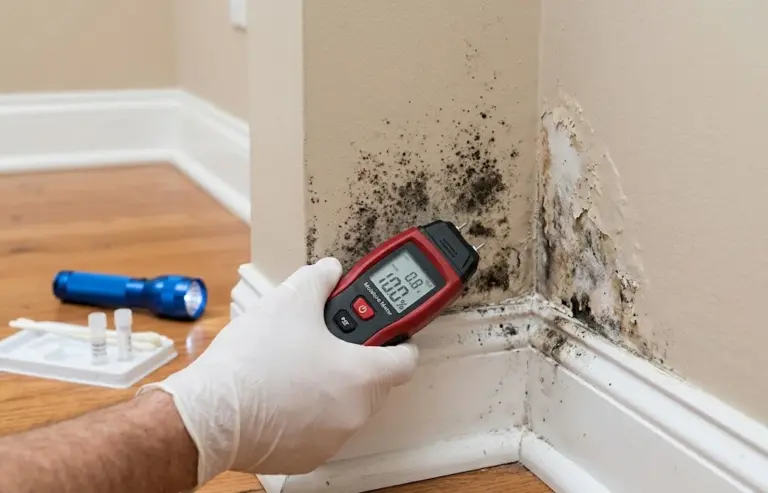
After a leak, mold may grow where you cannot see it, such as inside walls, under sinks, beneath floors or on the back of drywall. A musty smell is often the first clue. A water damage mold remediation team uses moisture meters to find wet spots, and some also use thermal cameras to see the full extent of the damage.
Water damage can lead to mold quickly. Stop the leak, dry the area fast and contain the space before removal. Remove damaged materials, clean with HEPA tools and fix the cause so mold does not return.
How The Hazmat Team Can Help
The Hazmat Team provides asbestos abatement, lead removal, mold remediation and biohazard remediation for homes and businesses in Southern California. On abatement projects, the crew seals off the work area with tarps and plastic sheeting, sets up negative airflow to keep contaminants from escaping, lays drop cloths in nearby walkways and uses HEPA filtration. All waste is carefully packaged and taken to proper disposal sites. To talk through your project, call 714-475-0925 or visit The Hazmat Team.
This article is general information only. It is not medical, legal or regulatory advice. Rules vary by location and project. Always follow EPA, Cal/OSHA and local agency requirements, and talk with a licensed professional and your doctor about specific health concerns.
Frequently Asked Questions
Q: How fast can mold grow after water damage?
A: Mold can begin growing within a day or two if materials stay wet.
Q: Can I just paint over mold?
A: No. Painting does not fix the moisture problem or remove the growth.
Q: Does The Hazmat Team offer mold remediation?
A: Yes. The Hazmat Team provides mold remediation services in Southern California.
Services We Offer
- Asbestos Abatement Services
- Biohazard Remediation Services
- Lead Removal Services
- Mold Remediation Services
A burst pipe, a leaking roof or an overflowing appliance can do more than soak your floors. When water sits in walls, carpet or cabinets, mold can start to grow, so acting quickly is the best way to limit damage. The Hazmat Team explains how water damage mold remediation works, step by step, and how to keep mold from coming back.
Key Takeaways
- Wet materials that cannot be dried, such as soaked carpet pad or insulation, are often removed.
- Stop the leak, dry the area fast and contain the space before removal.
- When these materials stay wet, mold can begin to grow.
- The EPA advises drying wet areas within 24 to 48 hours to help prevent mold growth.
- Crews use plastic sheeting and negative air pressure, which pulls air out through filters instead of letting it flow into other rooms.
- Porous materials with mold growth, such as drywall, insulation and carpet, are usually removed and bagged.
Why Mold Follows Water Damage
Mold spores are everywhere in the air. They only need moisture and a food source to grow. Drywall, wood, carpet and insulation all provide food. When these materials stay wet, mold can begin to grow. The EPA advises drying wet areas within 24 to 48 hours to help prevent mold growth.
Signs of Mold After Water Damage
- A musty or earthy smell
- Spots or stains on walls, ceilings or floors
- Peeling paint or warped surfaces
- Ongoing allergy-like symptoms indoors
- Mold can also hide behind walls, under floors and inside cabinets.
Step 1: Stop the Water Source
Remediation cannot succeed if water keeps coming in. The first step is to find and fix the source, whether it is a pipe, roof, appliance or drainage issue.
Step 2: Dry the Area
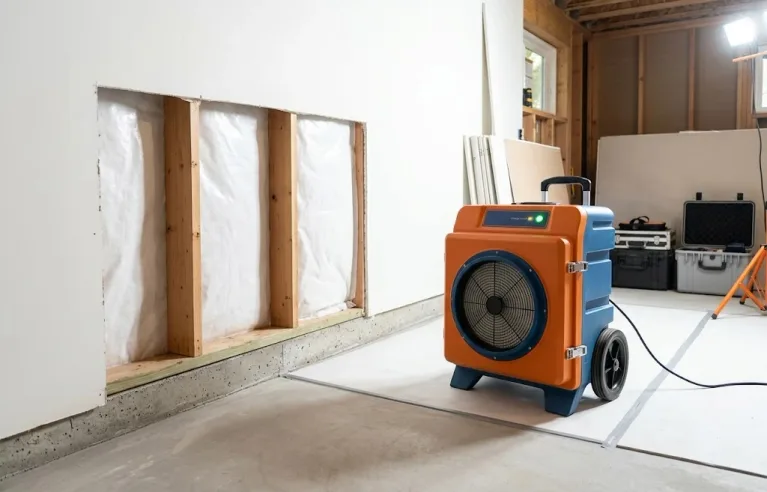
Fast drying is critical. Professionals may use fans, dehumidifiers and moisture meters to dry the structure. Wet materials that cannot be dried, such as soaked carpet pad or insulation, are often removed.
Step 3: Assess the Damage
A remediation team inspects the area to see how far moisture and mold have spread. They may check inside walls and under flooring. In some cases, mold testing helps confirm the extent of the problem.
Step 4: Contain the Work Area
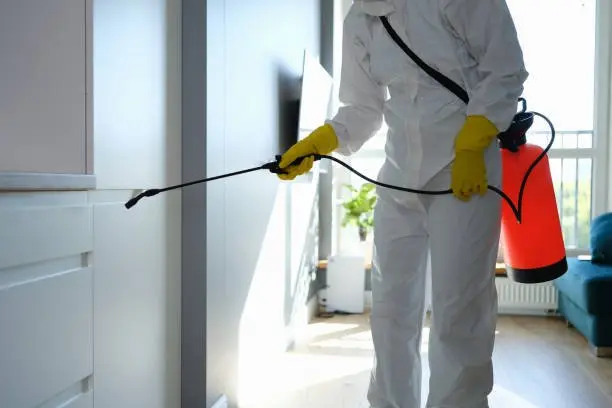
To keep spores from spreading, the work area is sealed off. Crews use plastic sheeting and negative air pressure, which pulls air out through filters instead of letting it flow into other rooms.
Step 5: Remove Damaged Materials
Porous materials with mold growth, such as drywall, insulation and carpet, are usually removed and bagged. Hard surfaces may be cleaned.
Step 6: Clean and Filter
The area is cleaned with appropriate methods. HEPA vacuums and air filtration help capture spores and dust. The goal is to return the space to normal conditions.
Step 7: Rebuild and Restore
Once the area is clean and dry, repairs can begin. This may include new drywall, paint and flooring.
Protect your property. Call 714-475-0925 today!
Preventing Mold From Coming Back
- Fix leaks right away.
- Keep indoor humidity low.
- Use exhaust fans in kitchens and bathrooms.
- Clean gutters and keep water away from the foundation.
- Check under sinks and around appliances often.
Why Professional Help Matters
Small areas of mold on hard surfaces may be cleaned by a homeowner. But after major water damage, mold can spread into hidden spaces. Disturbing it without containment can spread spores. Professionals have the tools to find hidden moisture, contain the area and remove mold safely.
Insurance and Documentation
Water damage mold remediation often goes along with an insurance claim, so good records matter. Take photos of the damage as soon as it is safe, save receipts for any repairs and note when the leak started and when it was fixed. You can also ask your remediation team for a written summary of the work. Each policy is different, so check what yours covers.
Health Tips During Cleanup
Mold can bother people with allergies or asthma, so keep those family members away from the work area. Do not run your HVAC system if it may spread spores, and open windows only if it is safe and dry outside. If you must enter a wet area, wear gloves and a mask. Talk with your doctor if you have health concerns.
Protect your property. Call 714-475-0925 today!
When to Call a Professional
Call for help if the water came from sewage or a flood, if the wet area is large or if you smell mold but cannot see it. You should also call if anyone in the home has health problems. A trained team can find hidden moisture, handle the job safely and help you plan repairs once the area is dry.
Mold in Hidden Places
After a leak, mold may grow where you cannot see it, such as inside walls, under sinks, beneath floors or on the back of drywall. A musty smell is often the first clue. A water damage mold remediation team uses moisture meters to find wet spots, and some also use thermal cameras to see the full extent of the damage.
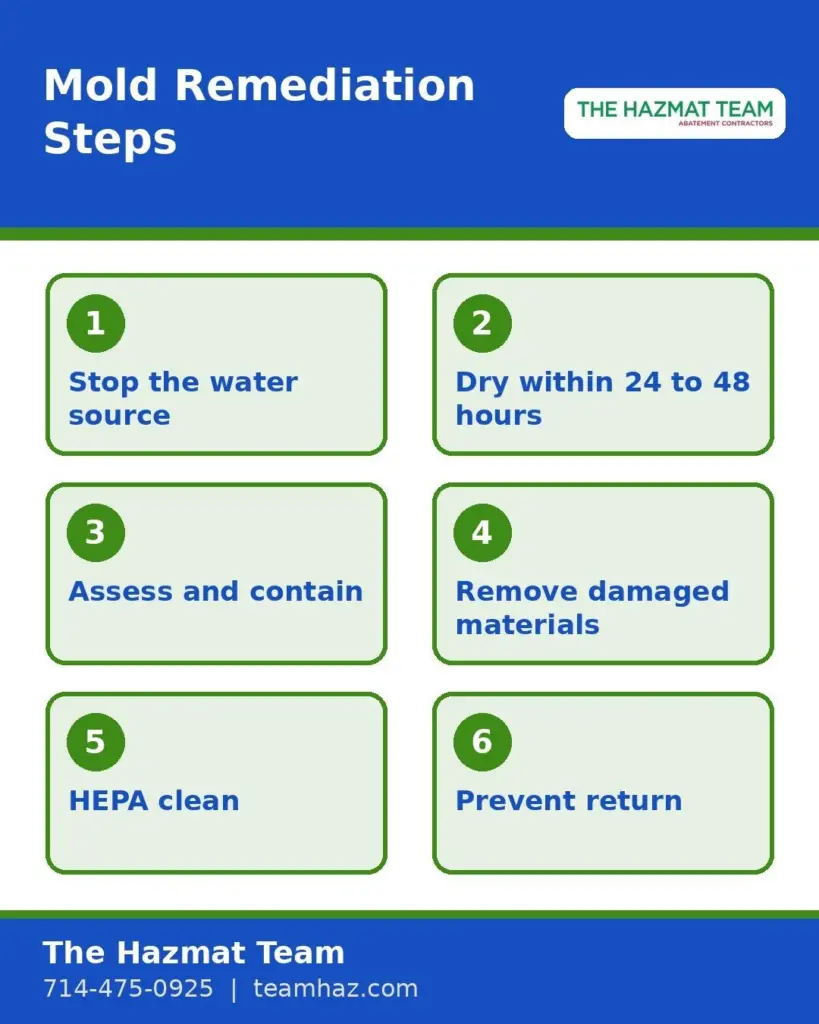
Water damage can lead to mold quickly. Stop the leak, dry the area fast and contain the space before removal. Remove damaged materials, clean with HEPA tools and fix the cause so mold does not return.
How The Hazmat Team Can Help
The Hazmat Team provides asbestos abatement, lead removal, mold remediation and biohazard remediation for homes and businesses in Southern California. On abatement projects, the crew seals off the work area with tarps and plastic sheeting, sets up negative airflow to keep contaminants from escaping, lays drop cloths in nearby walkways and uses HEPA filtration. All waste is carefully packaged and taken to proper disposal sites. To talk through your project, call 714-475-0925 or visit The Hazmat Team.
This article is general information only. It is not medical, legal or regulatory advice. Rules vary by location and project. Always follow EPA, Cal/OSHA and local agency requirements, and talk with a licensed professional and your doctor about specific health concerns.
Frequently Asked Questions
Q: How fast can mold grow after water damage?
A: Mold can begin growing within a day or two if materials stay wet.
Q: Can I just paint over mold?
A: No. Painting does not fix the moisture problem or remove the growth.
Q: Does The Hazmat Team offer mold remediation?
A: Yes. The Hazmat Team provides mold remediation services in Southern California.
Services We Offer
- Asbestos Abatement Services
- Biohazard Remediation Services
- Lead Removal Services
- Mold Remediation Services