

Can Mold Come Back After Remediation? Expert Tips
Protect your property. Call 714-475-0925 today!
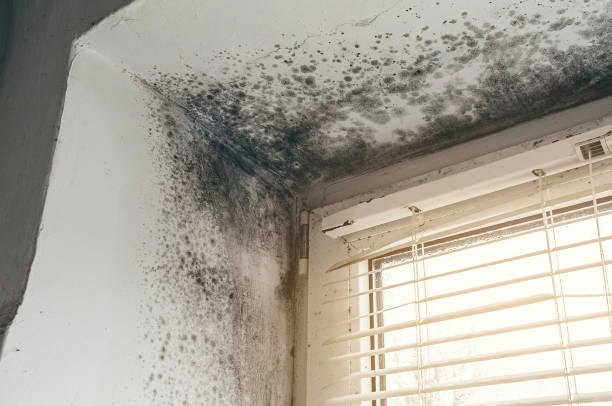
The answer is yes,but only if the conditions that allowed it to grow in the first place are not properly addressed.
Mold remediation removes active mold growth and helps restore a safe indoor environment, but no remediation company can permanently eliminate mold spores from a home or building. Mold spores are naturally present both indoors and outdoors. The key to preventing future mold growth is controlling moisture.
In most cases, mold returns because the underlying moisture problem was never fully resolved. Roof leaks, plumbing leaks, poor ventilation, condensation, or elevated indoor humidity can all create the damp conditions mold needs to grow again.
The good news is that recurring mold is often preventable. By identifying and correcting the source of moisture, maintaining proper humidity levels, and responding quickly to future water damage, homeowners can significantly reduce the likelihood of mold returning.
At THE HAZMAT TEAM, we specialize in professional mold remediation and mold removal throughout Orange County and surrounding Southern California communities. We focus on safely removing mold contamination from affected building materials. When moisture-source identification or structural drying is needed, we recommend working with qualified drying professionals and, when appropriate, independent environmental consultants. Once moisture issues have been addressed, our experienced team can safely perform the necessary mold remediation to help restore your property.
Key Takeaways
- Mold can return after remediation if the moisture problem that caused it is not corrected.
- Mold spores naturally exist in both indoor and outdoor environments and cannot be completely eliminated.
- Plumbing leaks, roof leaks, condensation, elevated humidity, and poor ventilation are among the most common reasons mold returns.
- Drying wet materials within 24 to 48 hours greatly reduces the likelihood of mold growth following water damage.
- Professional mold remediation removes active mold growth, but long-term success depends on moisture control.
- THE HAZMAT TEAM specializes in mold remediation and mold removal. Moisture-source identification and structural drying should be performed by qualified drying professionals.
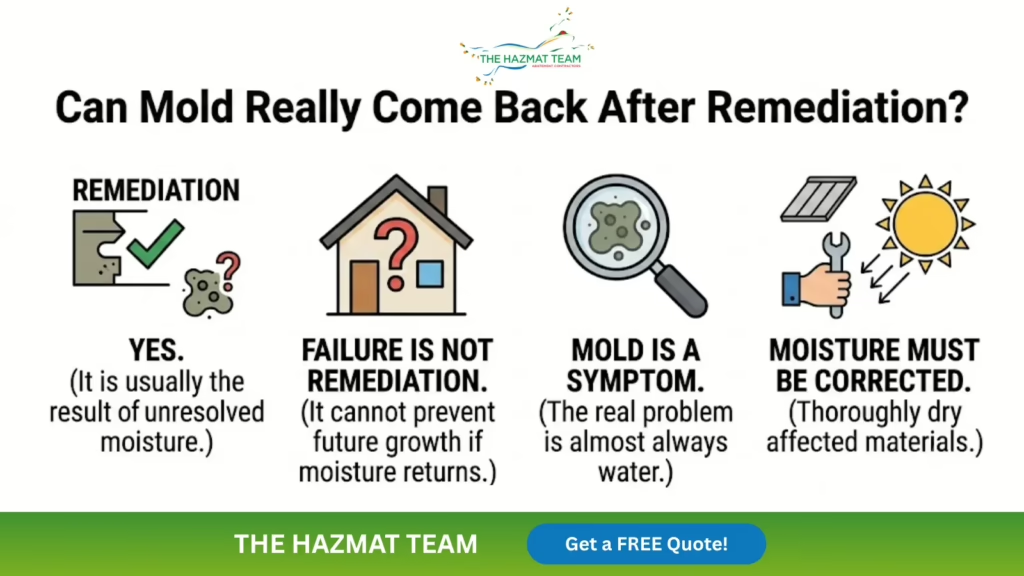
Can Mold Really Come Back After Remediation?
Yes.
However, recurring mold is not usually the result of failed remediation,it is most often the result of unresolved moisture.
Many homeowners assume that once mold has been removed, the problem is permanently solved. While professional remediation removes existing mold contamination, it cannot prevent future mold growth if excess moisture returns.
Think of mold as a symptom rather than the problem itself.
The real problem is almost always water.
Whether the source is a slow plumbing leak, roof damage, poor drainage, condensation, or high indoor humidity, mold will continue to return if those conditions remain.
On the other hand, if the moisture source is properly corrected and the affected materials are thoroughly dried, mold is far less likely to return.
Professional remediation and proper moisture control work together. Neither one is intended to replace the other.
Protect your property. Call 714-475-0925 today!
Why Does Mold Grow Inside Homes?
Mold spores are a natural part of the environment. They are present in the air we breathe every day and enter buildings through open doors, windows, ventilation systems, and even on clothing or pets.
Fortunately, mold spores alone do not create a problem.
For mold to begin growing indoors, several conditions typically need to exist:
- A source of moisture
- Organic building materials such as drywall, wood, paper, or insulation
- Moderate temperatures
- Sufficient time for growth to develop
When these conditions come together, mold can begin growing surprisingly quickly.
In many cases, mold can begin developing on damp building materials within 24 to 48 hours after water intrusion if those materials are not properly dried.
This is why prompt action following water damage is so important.
Whether the water comes from a broken pipe, overflowing appliance, roof leak, or flood, drying the affected materials as quickly as possible significantly reduces the opportunity for mold to develop.
Why Moisture Matters More Than Mold
One of the biggest misconceptions homeowners have is believing mold itself is the primary problem.
In reality, moisture is what allows mold to grow.
If moisture is removed, mold cannot continue growing on dry building materials.
This is why successful mold remediation focuses on more than simply removing visible mold.
Long-term success depends on identifying why mold developed in the first place.
Common Moisture Sources Include:
- Roof leaks
- Plumbing leaks
- Overflowing sinks or bathtubs
- Appliance leaks
- Water heater failures
- HVAC condensation
- Poor bathroom ventilation
- Crawlspace moisture
- Foundation seepage
- High indoor humidity
Simply cleaning visible mold without correcting the moisture source often leads to recurring problems.
Addressing both issues together provides the best opportunity for a successful, long-term outcome.
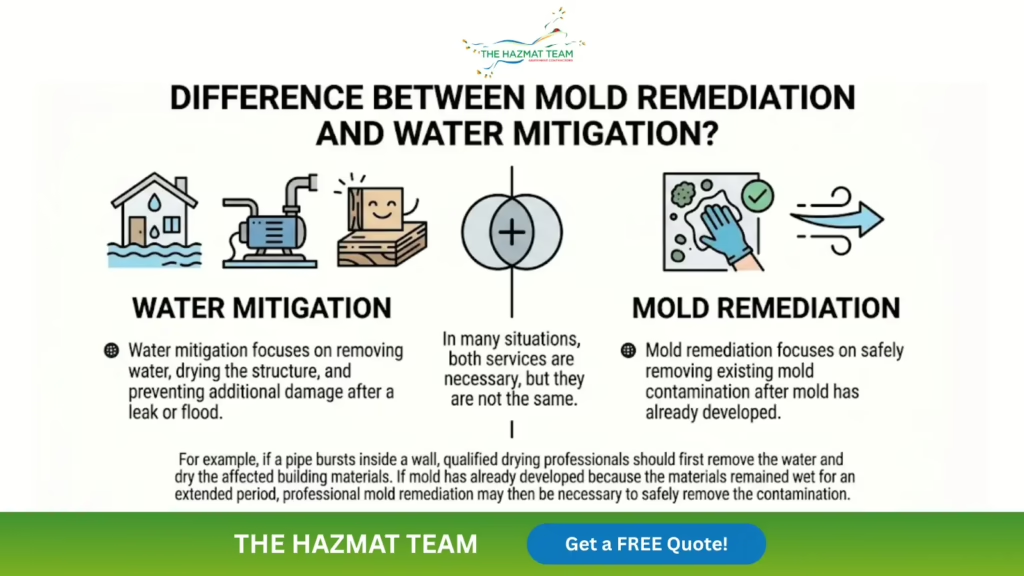
What Is the Difference Between Mold Remediation and Water Mitigation?
This is one of the most misunderstood topics among homeowners.
Although the terms are often used together, they describe two very different services.
Water Mitigation
Water mitigation focuses on removing water, drying the structure, and preventing additional damage after a leak or flood.
Mold Remediation
Mold remediation focuses on safely removing existing mold contamination after mold has already developed.
In many situations, both services are necessary, but they are not the same.
For example, if a pipe bursts inside a wall, qualified drying professionals should first remove the water and dry the affected building materials.
If mold has already developed because the materials remained wet for an extended period, professional mold remediation may then be necessary to safely remove the contamination.
Understanding this difference helps homeowners make informed decisions and ensures each phase of the project is handled by the appropriate professionals.
Protect your property. Call 714-475-0925 today!
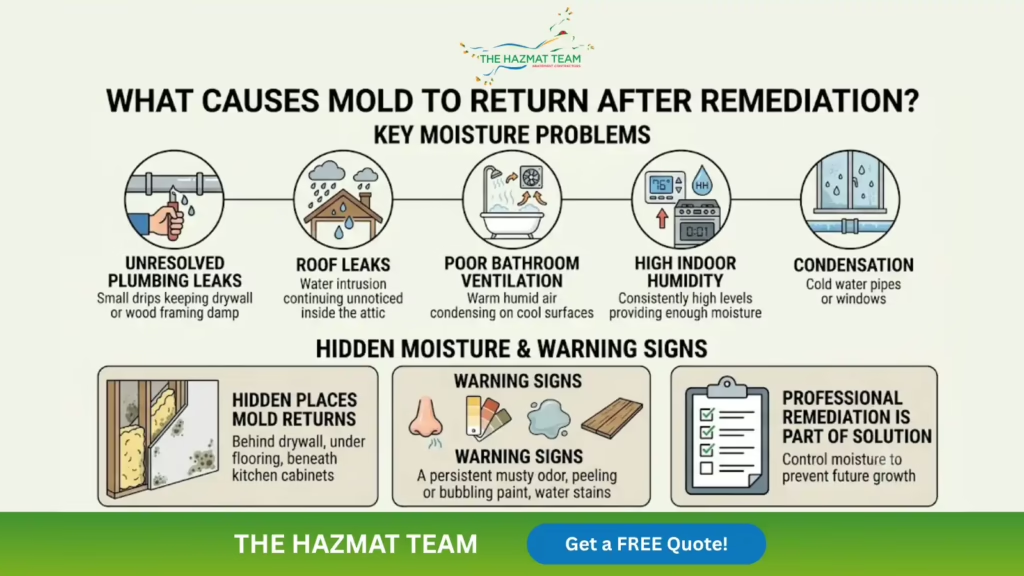
What Causes Mold to Return After Remediation?
One of the biggest misconceptions about mold remediation is that if mold comes back, the original remediation must have failed.
In reality, mold almost always returns because a moisture problem was never completely resolved or a new source of moisture developed after the remediation was completed.
Professional mold remediation removes existing mold contamination from the affected areas. However, no remediation company can permanently prevent future mold growth if water continues to enter the building or indoor humidity remains elevated.
Understanding what causes mold to return is the first step toward preventing it.
1. Unresolved Plumbing Leaks
Slow plumbing leaks are one of the most common causes of recurring mold.
Unlike burst pipes that are immediately noticeable, small leaks can continue unnoticed for weeks or even months.
Common locations include:
- Behind shower walls
- Under kitchen sinks
- Around toilets
- Inside laundry rooms
- Around refrigerator water lines
- Under bathroom vanities
Even a small drip can keep drywall, insulation, or wood framing damp enough to support mold growth over time.
If the leak is repaired promptly and the affected materials are thoroughly dried, the risk of recurring mold is greatly reduced.
2. Roof Leaks
Roof leaks often allow water to enter slowly, especially during heavy rain.
Because attic spaces are rarely occupied, water intrusion may continue unnoticed until staining appears on ceilings or mold begins developing inside the attic.
Common causes include:
- Damaged shingles
- Cracked flashing
- Blocked roof drainage
- Aging roofing materials
- Improper roof penetrations around vents or chimneys
Even minor roof leaks can create enough moisture to support mold growth if left unrepaired.
3. Poor Bathroom Ventilation
Bathrooms generate a significant amount of moisture every day.
Without proper ventilation, warm humid air condenses on walls, ceilings, mirrors, windows, and other cooler surfaces.
Over time, this repeated moisture exposure can encourage mold growth even without an actual plumbing leak.
To help reduce humidity:
- Turn on the exhaust fan before showering.
- Leave it running for at least 20 to 30 minutes after bathing.
- Keep bathroom doors open when possible to improve airflow.
- Repair exhaust fans that are no longer operating efficiently.
Simple habits like these can make a significant difference in controlling indoor moisture.
4. High Indoor Humidity
Not all mold problems begin with a leak.
In some homes, consistently high indoor humidity provides enough moisture for mold to develop.
This is especially common in:
- Coastal communities
- Poorly ventilated homes
- Crawlspaces
- Laundry rooms
- Utility rooms
- Garages
- Basements in applicable areas
Indoor relative humidity should generally remain between 30% and 50%.
Using air conditioning, improving ventilation, or operating a dehumidifier when needed can help maintain appropriate humidity levels.
5. Condensation
Condensation is another frequently overlooked source of moisture.
When warm humid air comes into contact with cooler surfaces, water droplets can form.
Common examples include:
- Windows
- Metal ductwork
- Cold water pipes
- Exterior walls
- Air conditioning components
While a few drops of condensation may not seem significant, repeated condensation over weeks or months can keep building materials damp enough to support mold growth.
Improving insulation and reducing indoor humidity often helps minimize condensation problems.
6. Water Damage That Wasn’t Dried Properly
After a water loss, many homeowners focus on removing standing water.
Unfortunately, water hidden inside walls, flooring, insulation, or framing may remain long after visible water has disappeared.
Without proper structural drying, trapped moisture can create ideal conditions for mold growth.
This is why professional drying is often just as important as removing the water itself.
Using moisture meters and other specialized equipment, qualified drying professionals can verify that building materials have returned to acceptable moisture levels before reconstruction begins.
Hidden Places Mold Often Returns
Many homeowners expect mold to grow only where they can see it.
In reality, mold frequently develops in concealed areas where moisture remains unnoticed.
Common hidden locations include:
- Behind drywall
- Inside wall cavities
- Under flooring
- Beneath kitchen cabinets
- Behind bathroom vanities
- Inside crawlspaces
- Around HVAC equipment
- Inside utility closets
- Around window framing
- Behind wallpaper
Because these areas are not visible during normal daily activities, mold may continue growing long before obvious signs appear.
Warning Signs That Mold May Be Returning
Even after successful remediation, homeowners should remain alert for signs that moisture has returned.
Early detection often prevents small problems from becoming major repairs.
Watch for:
- A persistent musty odor
- Peeling or bubbling paint
- Water stains on ceilings or walls
- Warped flooring
- Damp carpeting
- Condensation on windows
- Visible discoloration on drywall or trim
- Increased allergy symptoms while indoors
These signs do not automatically confirm mold is present, but they may indicate excessive moisture that should be investigated promptly.
Ignoring these warning signs can allow a relatively minor issue to develop into a much larger restoration project.
Why Professional Remediation Is Only Part of the Solution
A successful mold remediation project is one part of a larger process.
Professional remediation removes existing mold contamination, but long-term success depends on controlling moisture after the work is complete.
Think of it this way:
- Water intrusion creates the problem.
- Drying removes the moisture.
- Remediation removes the mold.
- Ongoing maintenance helps prevent future growth.
When all four steps work together, homeowners significantly reduce the likelihood of mold returning.
Protect your property. Call 714-475-0925 today!
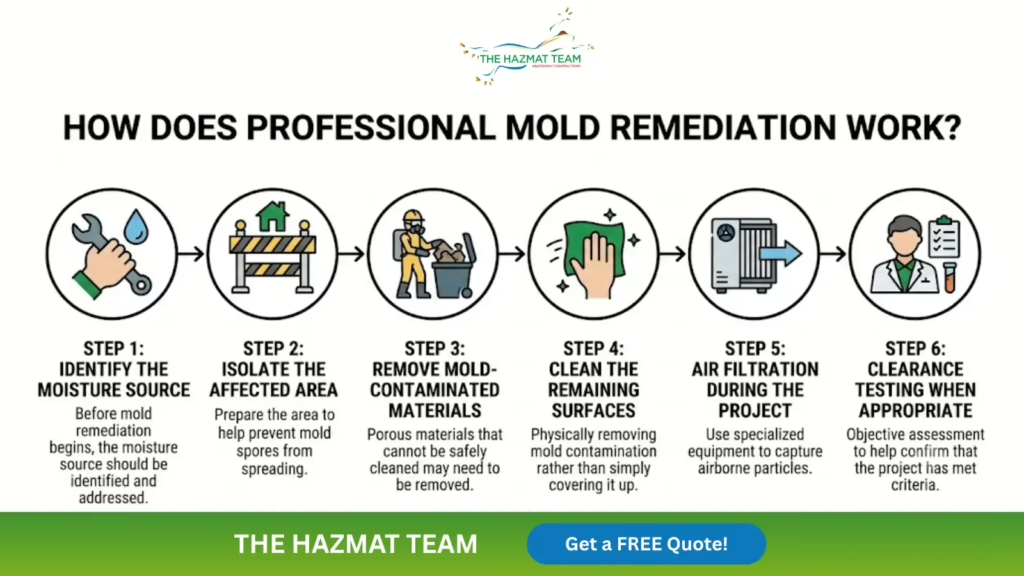
How Does Professional Mold Remediation Work?
Many homeowners are familiar with the term mold remediation, but few know what the process actually involves.
Professional mold remediation is much more than simply spraying chemicals or wiping visible mold from a surface. A properly performed remediation project is designed to safely remove mold contamination while helping prevent it from spreading to unaffected areas of the property.
Although every project is different, most professional mold remediation projects follow a similar process.
Step 1: Identify the Source of Moisture
Before mold remediation begins, the moisture source should be identified and addressed.
Without correcting the underlying cause, mold is likely to return regardless of how thorough the remediation may be.
Common moisture sources include:
- Plumbing leaks
- Roof leaks
- Window leaks
- HVAC condensation
- Appliance failures
- Foundation seepage
- Poor ventilation
- Elevated indoor humidity
When moisture-source identification is needed, homeowners may work with qualified drying professionals or independent environmental consultants to determine where the water is entering the structure.
Correcting the moisture problem is one of the most important factors in achieving long-term success.
Step 2: Isolate the Affected Area
Once the source of moisture has been addressed, the work area is prepared to help prevent mold spores from spreading to unaffected portions of the property.
Depending on the project, this may include:
- Installing containment barriers
- Restricting access to the work area
- Protecting nearby finishes and personal belongings
- Establishing controlled entry and exit points
- Using engineering controls when appropriate
Proper containment helps keep the remediation area isolated while work is being performed.
Step 3: Remove Mold-Contaminated Materials
Not every material affected by mold can be cleaned.
Porous building materials that have been extensively contaminated may need to be removed and properly disposed of.
Depending on the project, this may include:
- Drywall
- Insulation
- Ceiling materials
- Carpet and padding
- Baseboards
- Wood trim
- Other non-structural building components
Whenever possible, materials that can be safely cleaned and restored may remain in place.
The appropriate approach depends on the type of material, the extent of contamination, and the recommendations for the specific project.
Step 4: Clean the Remaining Surfaces
After contaminated materials have been removed, the remaining structural surfaces are carefully cleaned.
Professional remediation focuses on physically removing mold contamination rather than simply covering it up.
Cleaning methods vary depending on the materials involved and the extent of the contamination, but the goal remains the same:
- Remove visible mold growth.
- Remove settled mold spores and debris.
- Leave the work area clean and ready for reconstruction when applicable.
A successful remediation project addresses the source of contamination,not just what is visible on the surface.
Step 5: Air Filtration During the Project
During remediation, specialized air filtration equipment may be used to help capture airborne particles that become disturbed during the removal process.
These systems continuously filter the air within the contained work area while remediation is underway.
Air filtration helps reduce the migration of airborne particles and supports a cleaner work environment throughout the project.
Step 6: Clearance Testing When Appropriate
Depending on the project, homeowners, insurance carriers, or other interested parties may request post-remediation verification or clearance testing.
When testing is performed, it is typically completed by an independent environmental consultant rather than the remediation contractor.
This independent evaluation provides an objective assessment of the completed work and helps confirm that the project has met the agreed-upon criteria.
At THE HAZMAT TEAM, we support independent post-remediation verification because it provides homeowners with additional confidence and peace of mind.
How to Help Prevent Mold from Returning
While no home can be completely free of mold spores, homeowners can significantly reduce the likelihood of future mold growth by controlling moisture and responding quickly to water damage.
Simple maintenance practices often make the biggest difference.
Repair Water Leaks Promptly
Small plumbing leaks rarely stay small.
A slow drip beneath a sink or behind a wall can keep building materials damp for months before obvious damage appears.
Repairing leaks as soon as they are discovered helps prevent unnecessary moisture from accumulating.
Maintain Proper Indoor Humidity
Indoor humidity plays a major role in mold prevention.
Whenever possible, maintain indoor relative humidity between 30% and 50%.
If humidity levels remain elevated, consider using:
- Air conditioning
- Exhaust fans
- Whole-home ventilation
- Portable dehumidifiers where appropriate
Reducing humidity makes it much more difficult for mold to establish new growth.
Improve Air Circulation
Poor airflow allows moisture to remain trapped in certain areas of the home.
Pay particular attention to:
- Bathrooms
- Laundry rooms
- Closets
- Crawlspaces
- Utility rooms
- Areas behind large furniture placed against exterior walls
Improving airflow helps surfaces dry more efficiently after normal daily activities.
Dry Water Damage Quickly
Time is one of the most important factors following a water loss.
Building materials that remain wet for extended periods are much more likely to support mold growth.
Whenever possible, water-damaged materials should be dried promptly using appropriate drying methods.
If the damage is extensive, qualified drying professionals can help ensure that hidden moisture is properly addressed before reconstruction begins.
Perform Routine Home Maintenance
Routine inspections can help identify moisture problems before they become expensive repairs.
Consider periodically checking:
- Under sinks
- Around toilets
- Water heaters
- Washing machine supply lines
- Refrigerator water connections
- Roof penetrations
- Window seals
- Attics
- Crawlspaces
Finding a leak early is almost always less expensive than repairing water damage after mold has developed.
Protect your property. Call 714-475-0925 today!
Common Myths About Mold Remediation
Myth: Once mold is removed, it can never come back.
Fact: Mold can return if the moisture problem that caused it is not corrected.
Myth: Bleach permanently kills mold.
Fact: Bleach is not a universal solution for mold contamination and may not be appropriate for many porous building materials. Proper remediation focuses on safely removing contaminated materials and addressing the moisture source.
Myth: If I can’t see mold, I don’t have a problem.
Fact: Mold frequently develops inside wall cavities, attics, crawlspaces, and other concealed areas long before it becomes visible.
Myth: A musty smell will disappear on its own.
Fact: Persistent musty odors often indicate an underlying moisture issue that should be investigated rather than ignored.
Myth: Mold remediation and water mitigation are the same service.
Fact: Water mitigation focuses on removing water and drying the structure. Mold remediation focuses on removing existing mold contamination. While the two services often work together, they address different stages of the problem.
Why Choosing the Right Mold Remediation Contractor Matters
Not all mold remediation companies approach projects the same way.
While many contractors can remove visible mold, long-term success depends on much more than cleaning stained surfaces. Proper remediation requires identifying the extent of the contamination, containing the affected area, removing mold-damaged materials when necessary, and helping ensure the conditions that allowed mold to grow have been addressed.
Choosing a qualified contractor helps protect not only your property, but also your family’s health and your investment in your home.
When comparing mold remediation companies, consider asking the following questions:
- What is included in your remediation process?
- How will the affected area be contained?
- How will you help prevent cross-contamination?
- Will damaged materials be removed when necessary?
- Do you recommend independent post-remediation verification when appropriate?
- How will you communicate the scope of work before the project begins?
A professional contractor should be willing to answer your questions clearly and explain each step of the remediation process before work begins.
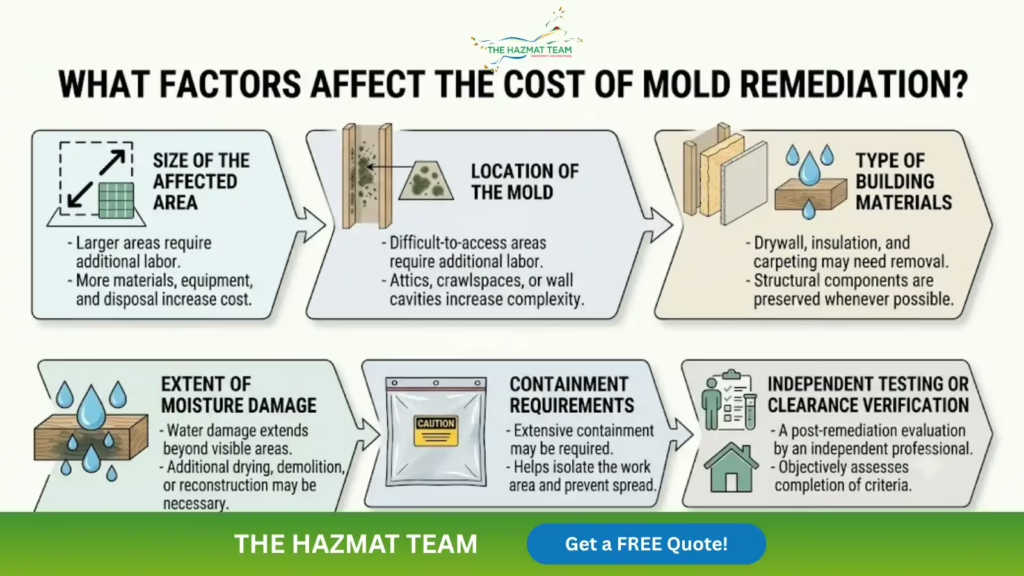
What Factors Affect the Cost of Mold Remediation?
One of the first questions homeowners ask is:
“How much will mold remediation cost?”
The answer depends on the size of the affected area and the complexity of the project.
Every property is different, so providing a price without an inspection can be misleading.
Several factors influence the overall cost.
Size of the Affected Area
Larger areas generally require additional labor, containment materials, equipment, and disposal, increasing the overall project cost.
Location of the Mold
Mold located inside wall cavities, attics, crawlspaces, or other difficult-to-access areas often requires additional labor compared to mold growing on exposed surfaces.
Accessibility plays an important role in determining the scope of work.
Type of Building Materials
Different building materials respond differently to mold contamination.
Depending on the project, materials such as drywall, insulation, carpeting, or ceiling materials may need to be removed, while certain structural components may be cleaned and preserved.
Extent of Moisture Damage
Water damage often extends beyond what is immediately visible.
Additional drying, demolition, or reconstruction may be necessary depending on how long the materials remained wet.
Containment Requirements
Some projects require more extensive containment to isolate the work area and help prevent contamination from spreading to unaffected portions of the property.
The amount of containment required varies from one project to another.
Independent Testing or Clearance Verification
Some homeowners, property managers, insurance carriers, or environmental consultants request post-remediation verification or clearance testing after the work has been completed.
When requested, this testing is typically performed by an independent environmental professional.
Protect your property. Call 714-475-0925 today!
Why Homeowners Throughout Orange County Choose THE HAZMAT TEAM
Mold remediation isn’t simply about removing visible mold.
It’s about helping homeowners move forward with confidence.
At THE HAZMAT TEAM, we understand that discovering mold inside your home or business can be stressful. That’s why we believe clear communication is just as important as quality workmanship.
From your initial inspection through project completion, our goal is to help you understand what we’re doing, why we’re doing it, and what to expect throughout the process.
Our customers appreciate that we:
- Take time to answer questions.
- Explain the scope of work before remediation begins.
- Treat every property with care and respect.
- Maintain organized, professional work areas.
- Coordinate with qualified drying professionals and independent environmental consultants when appropriate.
- Focus on long-term solutions rather than temporary fixes.
Whether you’re dealing with a plumbing leak, roof leak, appliance failure, or hidden moisture problem, our experienced team is committed to restoring your property safely and professionally.
Why Acting Quickly Matters
One of the biggest mistakes property owners make is waiting too long.
Small moisture problems rarely improve on their own.
A minor plumbing leak today can become extensive water damage tomorrow.
A small area of mold hidden behind a cabinet can continue growing until major demolition becomes necessary.
Acting quickly often means:
- Less property damage
- Lower repair costs
- Smaller remediation projects
- Less disruption to your home or business
- Greater peace of mind
If you notice musty odors, water stains, persistent moisture, or visible mold growth, don’t ignore the warning signs.
Addressing the problem early is almost always easier than waiting until the damage becomes more extensive.
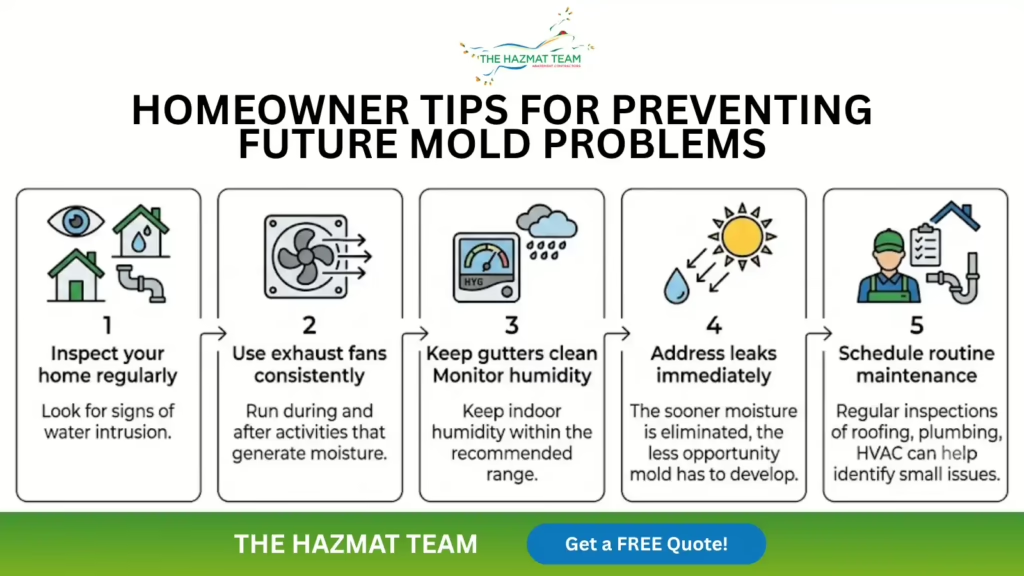
Homeowner Tips for Preventing Future Mold Problems
Preventing mold doesn’t require complicated maintenance routines.
A few simple habits can make a significant difference.
Inspect your home regularly.
Look for signs of water intrusion around sinks, windows, appliances, and plumbing fixtures.
Use exhaust fans consistently.
Run bathroom and kitchen exhaust fans during and after activities that generate moisture.
Keep gutters clean.
Proper drainage helps move rainwater away from your home’s foundation and exterior walls.
Monitor humidity levels.
A simple digital hygrometer can help you keep indoor humidity within the recommended range of 30% to 50%.
Address leaks immediately.
Even small leaks deserve prompt attention.
The sooner moisture is eliminated, the less opportunity mold has to develop.
Schedule routine maintenance.
Regular inspections of roofing, plumbing, HVAC systems, and exterior sealants can help identify small issues before they become expensive repairs.
Protect your property. Call 714-475-0925 today!
Final Thoughts
Mold remediation is an important step toward restoring a healthy indoor environment, but lasting success depends on much more than removing visible mold.
The key to preventing mold from returning is controlling the moisture that allowed it to grow in the first place.
Whether the source is a plumbing leak, roof leak, condensation, or elevated indoor humidity, addressing the underlying moisture problem is essential to protecting your home over the long term.
Fortunately, most recurring mold problems are preventable.
By responding quickly to water damage, maintaining your property, and seeking professional guidance when necessary, you can significantly reduce the likelihood of future mold growth.
Understanding the difference between water mitigation and mold remediation also helps homeowners make informed decisions and ensures each phase of the project is handled by the appropriate professionals.
When moisture problems are addressed promptly and remediation is performed correctly, your property is far better positioned for long-term success.
Protect Your Property with Confidence
If you’ve discovered mold in your home or business, taking action early can help prevent more extensive damage and reduce future repair costs.
At THE HAZMAT TEAM, we provide professional mold remediation and mold removal services for residential, commercial, and multi-family properties throughout Orange County and surrounding Southern California communities.
Our focus is simple:
- Safely remove mold contamination.
- Help restore a clean indoor environment.
- Communicate clearly throughout the project.
- Treat every property with professionalism and respect.
When moisture-source identification or structural drying is needed, we work alongside qualified drying professionals and, when appropriate, independent environmental consultants to help ensure every project is approached correctly from the start.
Whether you’re responding to recent water damage, preparing for renovations, or dealing with recurring mold concerns, our experienced team is here to help.
Contact THE HAZMAT TEAM today to schedule an inspection and receive a detailed estimate.
THE HAZMAT TEAM, The Name You Know. The Team You Trust.
Frequently Asked Questions About Mold Remediation
Q: Can mold come back after professional remediation?
A: Yes, but not because mold remediation doesn’t work.
In most cases, mold returns because the moisture problem that caused the mold was never fully corrected or a new water intrusion occurred after the remediation was completed.
Professional mold remediation removes existing mold contamination. Preventing future mold growth depends on keeping building materials dry and addressing water problems promptly.
Q: How long does professional mold remediation take?
A: Every project is different.
Smaller projects may be completed in as little as one or two days, while larger remediation projects involving multiple rooms or significant demolition may require several days or longer.
The timeline depends on:
- The size of the affected area
- The extent of contamination
- The amount of demolition required
- Drying requirements
- Whether post-remediation verification is requested
During your consultation, your contractor should explain the expected project timeline based on your specific property.
Q: Does mold always come back after water damage?
A: No.
If water damage is addressed quickly and affected building materials are thoroughly dried, mold often never has an opportunity to develop.
In many situations, drying wet materials within 24 to 48 hours significantly reduces the likelihood of mold growth.
Prompt action following leaks or flooding is one of the most effective ways to prevent future mold problems.
Q: Can mold grow behind walls?
A: Yes.
Mold frequently develops inside wall cavities where moisture becomes trapped.
Because these areas are hidden from view, homeowners may not notice a problem until they detect a musty odor, see staining, or begin opening the wall during a remodeling project.
Other concealed areas where mold commonly develops include:
- Attics
- Crawlspaces
- Under flooring
- Behind cabinets
- Around plumbing penetrations
- Inside utility rooms
Q: Is mold testing always necessary?
A: Not always.
If visible mold growth is present and the affected materials clearly require remediation, testing may not always provide additional value.
However, independent environmental consultants may recommend testing in situations involving:
- Hidden mold concerns
- Real estate transactions
- Health-related questions
- Clearance verification after remediation
- Legal or insurance documentation
If testing is appropriate for your situation, we recommend working with an independent environmental consultant.
Q: Does bleach permanently remove mold?
A: Many homeowners believe bleach is the solution for every mold problem.
Unfortunately, the answer is more complicated.
While bleach may remove staining from certain hard, non-porous surfaces, it is not considered a complete solution for mold contamination on many common building materials.
Professional remediation focuses on safely removing contaminated materials where necessary and correcting the moisture conditions that allowed mold to grow.
Q: Can I stay in my home during mold remediation?
A: It depends on the size and location of the project.
Some smaller remediation projects allow unaffected portions of the home to remain occupied.
Larger projects involving extensive containment or multiple rooms may require temporary relocation for comfort or safety.
Your contractor should discuss occupancy expectations before work begins so you know what to expect.
Q: What humidity level helps prevent mold growth?
A: Indoor relative humidity should generally remain between 30% and 50%.
Maintaining humidity within this range helps reduce condensation and makes it more difficult for mold to develop.
If humidity regularly exceeds 50%, improving ventilation or using a dehumidifier may help reduce the risk of future mold growth.
Q: Will mold continue growing if the area dries out?
A: Mold requires moisture to continue growing.
Once building materials are thoroughly dried and the moisture source has been eliminated, active mold growth generally stops.
However, existing mold contamination does not simply disappear on its own. Materials that have already been affected may still require professional remediation depending on the extent of the contamination.
Q: How can I reduce the chances of mold returning?
A: The best long-term prevention strategy includes:
- Repairing leaks promptly
- Drying water damage quickly
- Maintaining proper indoor humidity
- Improving ventilation
- Performing routine home maintenance
- Addressing moisture problems before mold has an opportunity to develop
Preventing moisture is almost always easier and less expensive than remediating mold after it has spread.
Services We Offer