Removal vs. Encapsulation
Many older homes and buildings have vinyl or asphalt floor tiles that have lasted for decades. They are tough and easy to clean. But some of these tiles, and the black glue beneath them, may contain asbestos. If you are planning a remodel, it is important to understand the risks and your options. This guide from THE HAZMAT TEAM explains how to approach asbestos floor tiles, and how to decide between removal and encapsulation.

Protect your property. Call 714-475-0925 today!
Why Older Floor Tiles May Contain Asbestos
Asbestos was added to many flooring products to make them stronger and more durable. Vinyl asbestos tile and asphalt tile were widely used in homes, schools and offices for much of the 20th century. The adhesive used to install these tiles, often called black mastic, may also contain asbestos.
Common Signs to Watch For
You cannot confirm asbestos by sight, but some clues suggest testing is a good idea:
- The building was built or remodeled before the 1980s.
- Tiles are 9 inches by 9 inches, a size common in older installations.
- There is black adhesive under the tiles.
- Tiles are brittle, cracked or showing their age.
Only a lab test can confirm whether asbestos is present.
When Floor Tiles Pose a Risk
Intact floor tiles that are in good shape generally pose less risk. The danger comes when tiles are broken, sanded, scraped or ground. These actions can release fibers into the air. Removing tiles with power tools or stripping glue with abrasive methods can create a serious exposure risk.
Testing Comes First
Before any work begins, have a sample of the tile and the mastic tested. An accredited inspector can take samples safely and send them to a lab. Testing both layers matters, because sometimes the tile is fine but the adhesive contains asbestos, or the other way around.
Option One: Encapsulation
Encapsulation means leaving the tiles in place and covering or sealing them. Common methods include:
- Installing new flooring over the old tiles, such as floating floors or new vinyl
- Applying a sealant that locks the surface
Pros: Encapsulation usually causes less disturbance. It can be faster and avoids removing the material.
Cons: The asbestos is still there. Future remodels may need to address it. Encapsulation also adds height to the floor, which can affect doors and transitions.
Protect your property. Call 714-475-0925 today!
Option Two: Removal
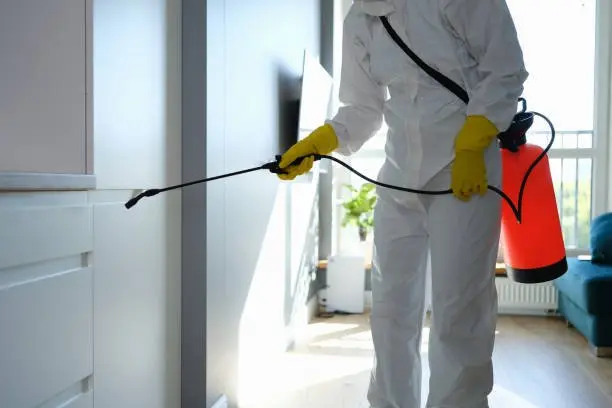
Removal means taking out the tiles and mastic completely. This is done by a trained abatement crew using strict controls:
- Sealing the area with plastic sheeting
- Setting up negative air pressure
- Using HEPA filtration
- Keeping materials wet to reduce dust
- Wearing protective suits and respirators
- Bagging and disposing of waste properly
Pros: The asbestos is gone for good. You can install any new flooring you choose.
Cons: It takes more time and planning. The area must be closed off during work.
How to Decide
Consider these questions:
- Are the tiles in good condition, or are they damaged?
- Do you plan to install flooring that needs a flat, clean subfloor?
- Will future renovations disturb the floor again?
- Are you selling the home soon?
If the tiles are damaged or you plan a major remodel, removal is often the better long-term choice. If the tiles are intact and you want a quick update, encapsulation may make sense.
Rules in Southern California
Asbestos work in Southern California may need to follow Cal/OSHA rules, EPA standards and South Coast Air Quality Management District requirements. A qualified contractor can help you understand what applies to your project.
What to Do Before Work Starts
Do not pull up old tiles to see what is under them. Do not sand or grind the floor. Keep the area as it is. Call for a test. Wait for the results. Then make a plan. If the tiles test positive, move furniture out of the room. Keep kids and pets away. Let the crew set up before any work begins. Ask how long the room will be closed. Ask what you should expect on the last day, when the area is cleaned and checked.
Planning Your New Floor
Once you know your path, you can plan your new floor. If you remove the tiles, you can pick almost any floor you like. If you cover them, choose a floor that floats or sits on top. Think about how the new floor will meet doors and other rooms. A small change in height can matter. Your flooring installer and your abatement team can work together to keep the job on track.
In Short
Older floor tiles and black mastic may contain asbestos. Test both before you start. Encapsulation covers the tiles and limits disturbance. Removal takes them out for good with proper containment.
How The Hazmat Team Can Help
The Hazmat Team provides asbestos abatement, lead removal, mold remediation and biohazard remediation for homes and businesses in Southern California. On abatement projects, the crew seals off the work area with tarps and plastic sheeting, sets up negative airflow to keep contaminants from escaping, lays drop cloths in nearby walkways and uses HEPA filtration. All waste is carefully packaged and taken to proper disposal sites. To talk through your project, call THE HAZMAT TEAM at 714-475-0925 or visit The Hazmat Team.
This article is general information only. It is not medical, legal or regulatory advice. Rules vary by location and project. Always follow EPA, Cal/OSHA and local agency requirements, and talk with a licensed professional and your doctor about specific health concerns.
Quick Facts
- Many older vinyl and asphalt tiles may contain asbestos.
- Black mastic adhesive may also contain asbestos.
- 9-inch by 9-inch tiles are common in older installations.
- Encapsulation leaves tiles in place and covers them.
- Removal uses containment, negative air and HEPA filtration.
FAQ
Q: Can I put new flooring over asbestos tiles?
A: In many cases, yes. This is a form of encapsulation. Talk with a professional first.
Q: Is it safe to live in a home with asbestos floor tiles?
A: Intact tiles generally pose less risk. Avoid damaging or sanding them.
Q: Does The Hazmat Team remove mastic?
A: Yes. The Hazmat Team handles abatement work involving vinyl flooring and mastic.
Services We Offer
- Asbestos Abatement Services
- Biohazard Remediation Services
- Lead Removal Services
- Mold Remediation Services