

What Causes Mold to Grow in a House?
Protect your property. Call 714-475-0925 today!
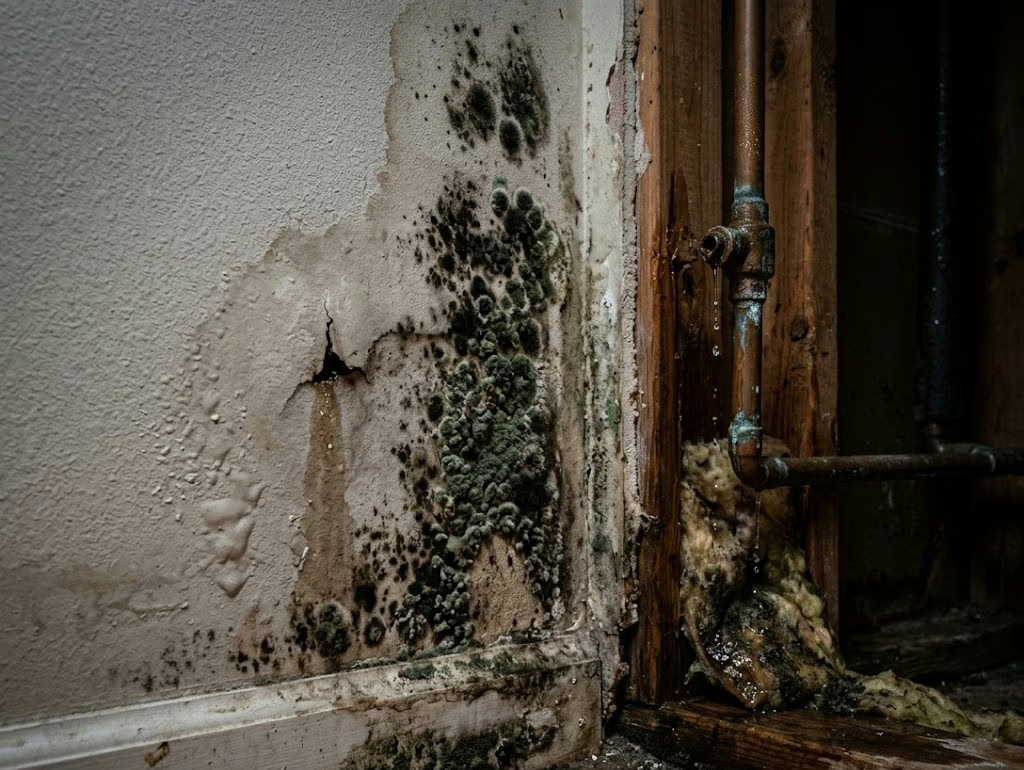
If you’ve discovered mold inside your home, you’re probably asking the same question most homeowners do:
“Why is this happening?”
The answer is surprisingly simple.
Mold needs moisture to grow.
While mold spores are naturally present in both indoor and outdoor air, they typically remain harmless until they land on damp building materials. Once moisture is introduced and allowed to remain, mold can begin growing in as little as 24 to 48 hours under the right conditions.
The mold itself is rarely the root problem.
Instead, mold is usually a warning sign that water has entered your home through a plumbing leak, roof leak, flooding, condensation, poor ventilation, or elevated indoor humidity.
The good news is that understanding what causes mold to grow is one of the best ways to prevent it. By controlling moisture, maintaining your home, and responding quickly to water damage, you can significantly reduce the likelihood of mold developing.
At THE HAZMAT TEAM, we provide professional mold remediation and mold removal services throughout Orange County and surrounding Southern California communities. Our focus is on safely removing mold contamination after moisture problems have been addressed. When moisture-source identification or structural drying is needed, we recommend working with qualified drying professionals and, when appropriate, independent environmental consultants to ensure the underlying cause is properly resolved.
Key Takeaways
- Mold requires moisture to grow.
- Mold spores are naturally present indoors and outdoors but only become a problem when building materials remain wet.
- Plumbing leaks, roof leaks, flooding, condensation, poor ventilation, and elevated indoor humidity are among the most common causes of mold growth.
- Mold can begin developing within 24 to 48 hours after water damage if materials are not properly dried.
- Preventing mold starts with controlling moisture and repairing leaks promptly.
- THE HAZMAT TEAM specializes in professional mold remediation and mold removal. Moisture-source identification and structural drying should be performed by qualified drying professionals when appropriate.
Why Does Mold Grow Inside Homes?
Mold spores are a natural part of the environment.
They enter homes every day through open windows and doors, ventilation systems, clothing, shoes, and even pets.
Fortunately, mold spores alone are not enough to create a mold problem.
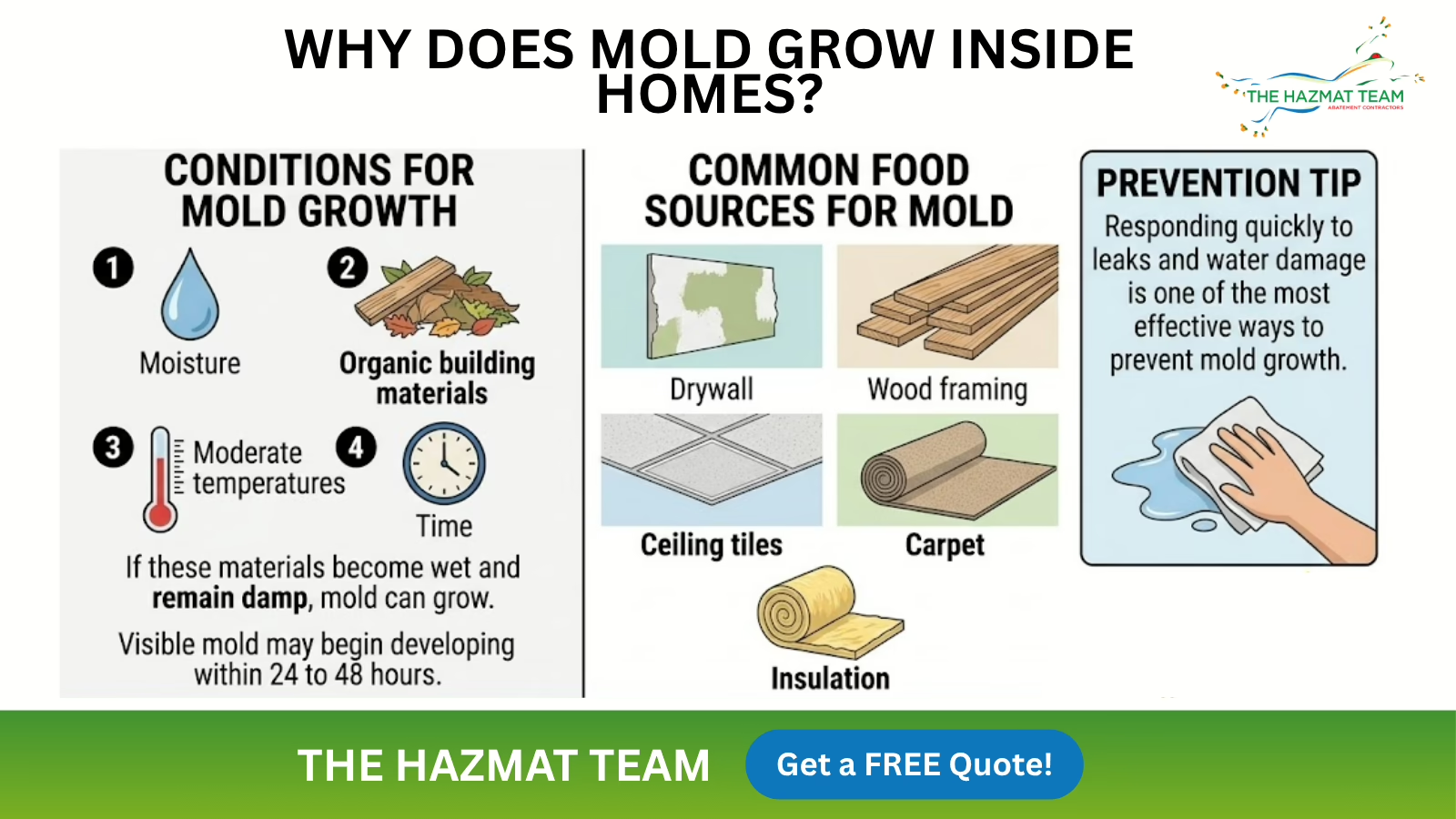
For mold to begin growing, four basic conditions generally need to be present:
- Moisture
- Organic building materials
- Moderate temperatures
- Time
Many common construction materials provide an excellent food source for mold.
These include:
- Drywall
- Wood framing
- Ceiling tiles
- Carpet
- Insulation
- Paper-backed materials
- Dust and other organic debris
When these materials become wet and remain damp, mold spores can begin growing quickly.
In many situations, visible mold may begin developing within 24 to 48 hours after water intrusion if affected materials are not properly dried.
This is why responding quickly to leaks and water damage is one of the most effective ways to prevent mold growth.
Protect your property. Call 714-475-0925 today!
Moisture Is the Real Cause of Mold
Many homeowners assume mold is the primary problem.
In reality, moisture is almost always the real issue.
Without water, mold cannot continue growing.
Whether the moisture comes from a leaking pipe, roof damage, condensation, flooding, or elevated humidity, identifying and correcting the source is the most important step toward preventing future mold problems.
Simply cleaning visible mold without correcting the moisture issue often results in recurring growth.
Successful mold remediation always addresses both:
- The existing mold contamination.
- The moisture conditions that allowed the mold to develop.
Treating both together provides the best long-term results.
The Most Common Causes of Mold Growth
Although every property is different, most mold problems can be traced back to one or more common moisture sources.
Understanding these causes allows homeowners to identify potential problems before significant damage occurs.
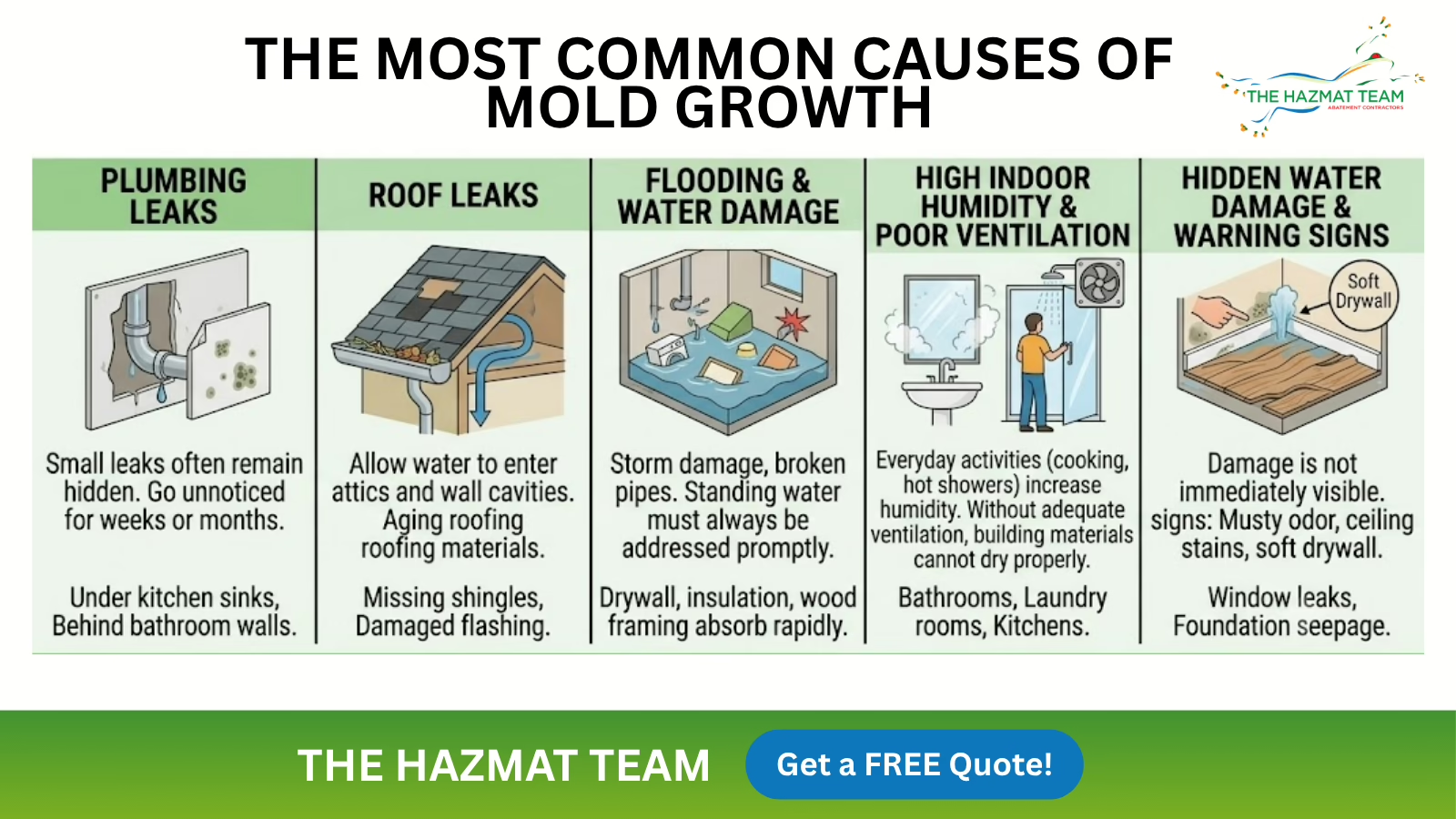
Plumbing Leaks
Slow plumbing leaks are one of the leading causes of indoor mold growth.
Unlike burst pipes, small leaks often remain hidden behind walls, beneath cabinets, or under flooring for weeks or even months.
Common locations include:
- Under kitchen sinks
- Behind bathroom walls
- Around toilets
- Laundry rooms
- Refrigerator water lines
- Water heater connections
Because these leaks often go unnoticed, mold may begin developing long before homeowners see visible water damage.
Roof Leaks
Roof leaks frequently allow water to enter attics and wall cavities where it remains hidden.
Common causes include:
- Missing shingles
- Damaged flashing
- Clogged gutters
- Roof penetrations
- Aging roofing materials
Even relatively small roof leaks can create enough moisture to support mold growth if repairs are delayed.
Flooding and Water Damage
Flooding introduces large amounts of water into building materials in a very short period of time.
Whether caused by storms, broken pipes, overflowing appliances, or sewage backups, standing water should always be addressed promptly.
The longer materials remain wet, the greater the likelihood that mold will begin to develop.
Condensation
Condensation is often overlooked because it develops gradually.
When warm, humid air comes into contact with cooler surfaces, water droplets form.
Over time, repeated condensation can keep windows, pipes, walls, or other building materials damp enough to support mold growth.
High Indoor Humidity
Not every mold problem begins with a plumbing leak or roof failure.
In many homes, consistently high indoor humidity creates enough moisture for mold to develop, even when no obvious water intrusion is present.
Humidity tends to increase during everyday activities such as:
- Taking hot showers
- Cooking
- Running the dishwasher
- Drying clothes indoors
- Operating humidifiers
- Poorly ventilated laundry rooms
When moisture remains trapped inside the home, it can settle on walls, ceilings, windows, and other cooler surfaces.
Over time, this repeated condensation provides the moisture mold needs to grow.
As a general guideline, indoor relative humidity should remain between 30% and 50%.
Using exhaust fans, air conditioning, or a dehumidifier when necessary can help maintain healthy humidity levels and reduce the likelihood of mold growth.
Poor Ventilation
Proper airflow plays an important role in preventing mold.
Without adequate ventilation, moisture remains trapped inside enclosed spaces where building materials cannot dry properly.
Areas that commonly experience poor ventilation include:
- Bathrooms
- Laundry rooms
- Kitchens
- Closets
- Crawlspaces
- Utility rooms
- Attics
Bathrooms are one of the most common examples.
Every hot shower releases moisture into the air. Without an exhaust fan or adequate airflow, that moisture settles on ceilings, walls, and other surfaces where mold may eventually develop.
Running exhaust fans during and for at least 20 to 30 minutes after showering can significantly reduce moisture buildup.
Condensation
Condensation is another common source of moisture that many homeowners overlook.
It occurs when warm, humid air comes into contact with cooler surfaces.
Common places where condensation forms include:
- Windows
- Cold water pipes
- Air conditioning ducts
- Exterior walls
- Metal framing
While occasional condensation may seem harmless, repeated moisture can eventually damage surrounding materials and create conditions favorable for mold growth.
If condensation becomes a recurring problem, improving insulation, reducing indoor humidity, and increasing ventilation often help minimize moisture accumulation.
Flooding and Water Damage
Flooding introduces large amounts of moisture into a home in a very short period of time.
Whether caused by:
- A broken water supply line
- A leaking water heater
- A washing machine failure
- Storm damage
- An overflowing bathtub
- A sewage backup
…the affected building materials should be dried as quickly as possible.
Drywall, insulation, wood framing, carpeting, and flooring can absorb water rapidly.
If those materials remain wet for an extended period, mold may begin developing within 24 to 48 hours.
Prompt structural drying is one of the most effective ways to reduce the likelihood of mold growth following water damage.
When extensive drying is required, qualified drying professionals have specialized equipment to help remove moisture from building materials before mold has an opportunity to develop.
Hidden Water Damage
Not all moisture problems are obvious.
Some of the most significant mold problems begin with water that remains hidden inside walls, ceilings, or beneath flooring.
Because the damage isn’t immediately visible, homeowners often don’t discover the problem until mold has already developed.
Common hidden sources of moisture include:
- Slow plumbing leaks
- Roof leaks inside attic spaces
- Window leaks
- HVAC condensation
- Appliance leaks
- Foundation seepage
- Water intrusion behind exterior siding
One of the first warning signs is often a persistent musty odor.
Other signs may include:
- Peeling paint
- Bubbling drywall
- Warped flooring
- Ceiling stains
- Soft drywall
- Discoloration around baseboards
If you notice any of these warning signs, it’s important to investigate the source of moisture rather than simply cleaning the visible area.
Protect your property. Call 714-475-0925 today!
Which Areas of the Home Are Most Likely to Develop Mold?
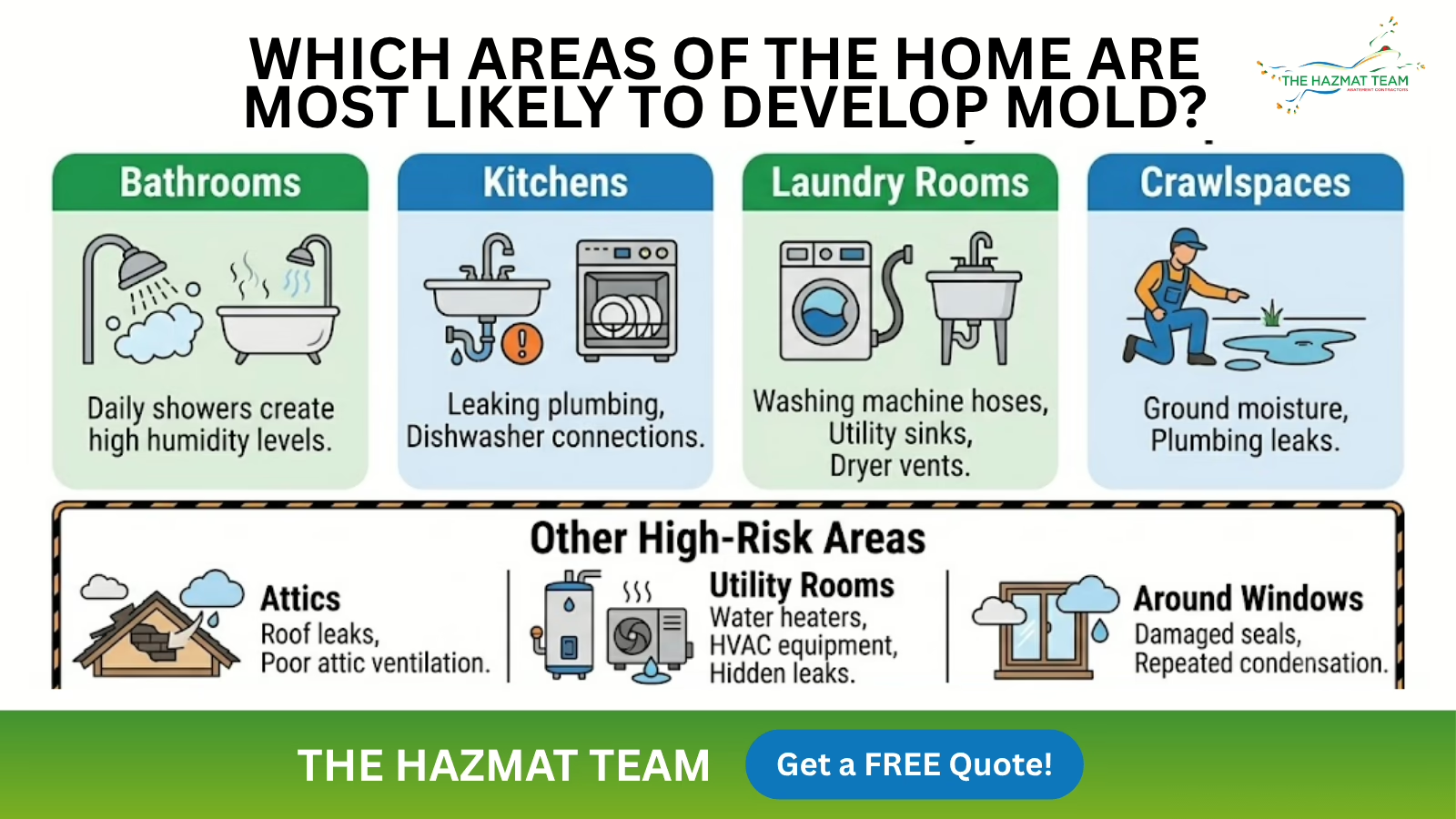
Although mold can grow almost anywhere moisture is present, certain areas of the home experience problems more frequently than others.
These include:
Bathrooms
Daily showers and baths create high humidity levels, making bathrooms one of the most common locations for mold growth.
Kitchens
Leaking plumbing, dishwasher connections, and cooking-related humidity can all contribute to excess moisture.
Laundry Rooms
Washing machine hoses, utility sinks, and dryer vents can all introduce moisture into enclosed spaces.
Attics
Roof leaks, poor attic ventilation, and condensation frequently create conditions favorable for mold growth.
Crawlspaces
Ground moisture, plumbing leaks, and poor ventilation often make crawlspaces one of the highest-risk areas of a home.
Around Windows
Damaged seals and repeated condensation can introduce moisture into surrounding drywall and wood framing.
Utility Rooms
Water heaters, HVAC equipment, and plumbing fixtures can all become sources of hidden leaks over time.
Regularly inspecting these high-risk areas helps identify moisture problems before they develop into larger mold remediation projects.
Protect your property. Call 714-475-0925 today!
Why Cleaning Visible Mold Isn’t Enough
One of the most common mistakes homeowners make is focusing only on the mold they can see.
Visible mold is often just one part of a much larger moisture problem.
If the underlying water source remains, mold is likely to return even after the visible staining has been cleaned.
Successful mold remediation involves much more than removing mold from the surface.
Long-term success depends on:
- Identifying the source of moisture.
- Correcting the water problem.
- Drying affected materials.
- Removing mold contamination when necessary.
- Monitoring the area for future moisture issues.
Treating the cause—not just the symptom—is the most effective way to protect your home.
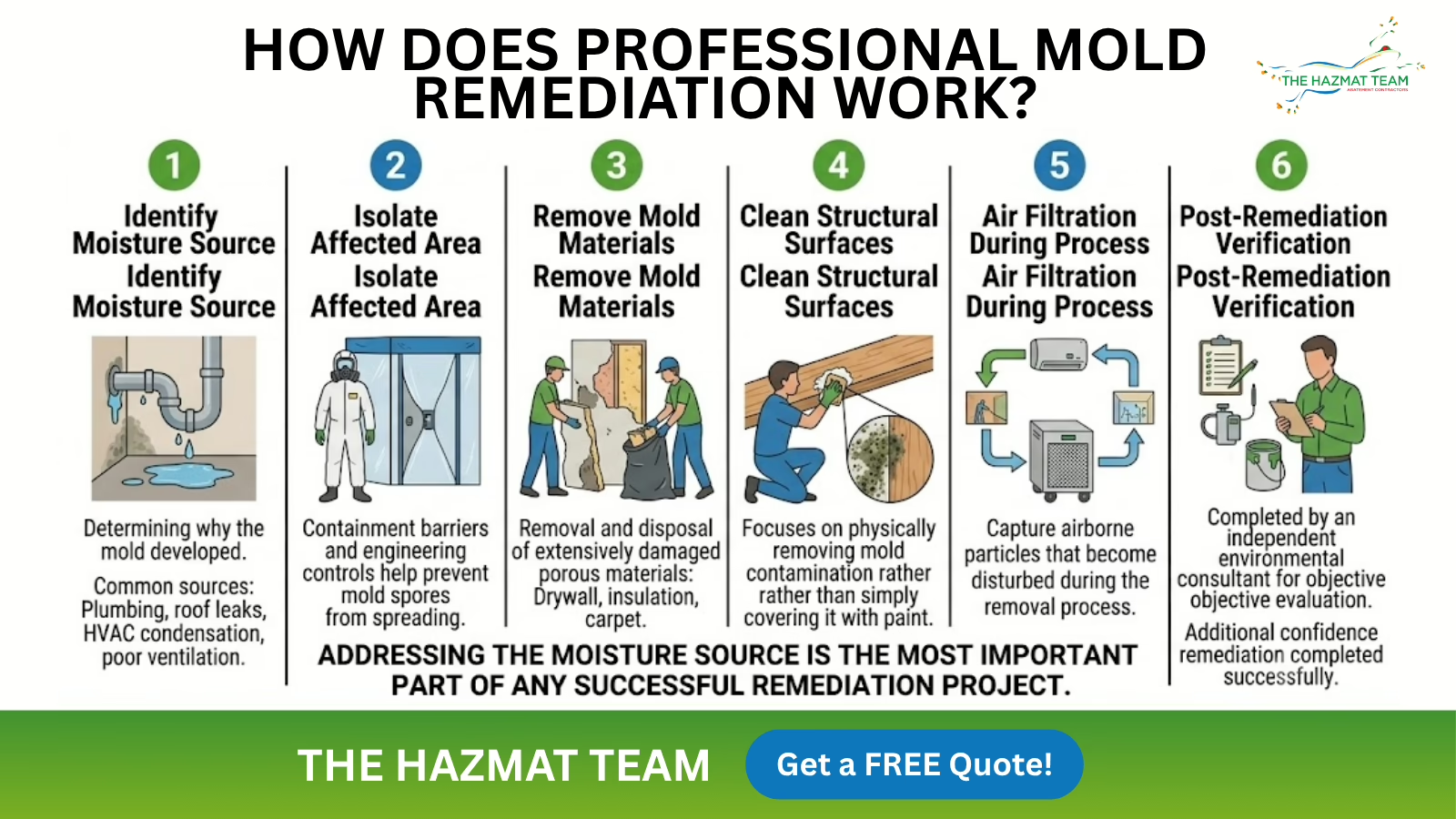
How Does Professional Mold Remediation Work?
When mold is discovered inside a home, many homeowners wonder what the remediation process actually involves.
Professional mold remediation is much more than cleaning visible mold from a wall or spraying chemicals onto a stained surface.
A properly performed remediation project focuses on safely removing mold contamination while helping prevent it from spreading to unaffected areas of the property.
Although every project is different, most professional mold remediation projects follow a similar process.
Step 1: Identify the Source of Moisture
The first and most important step is determining why the mold developed in the first place.
Without correcting the moisture problem, mold has the potential to return regardless of how thoroughly the affected area is cleaned.
Common moisture sources include:
- Plumbing leaks
- Roof leaks
- Window leaks
- Appliance failures
- HVAC condensation
- Foundation seepage
- Poor ventilation
- Elevated indoor humidity
When moisture-source identification is needed, homeowners may work with qualified drying professionals or independent environmental consultants to determine where water is entering the structure.
Addressing the moisture source is one of the most important parts of any successful remediation project.
Step 2: Isolate the Affected Area
Once the moisture issue has been addressed, the work area is prepared to help prevent mold spores from spreading during the remediation process.
Depending on the project, this may include:
- Installing containment barriers
- Restricting access to the work area
- Protecting nearby finishes and furnishings
- Establishing controlled entry and exit points
- Using engineering controls when appropriate
Proper containment helps protect unaffected portions of the property while remediation is underway.
Step 3: Remove Mold-Contaminated Materials
Not every building material can be successfully restored.
Porous materials that have been extensively damaged by mold may require removal and proper disposal.
Depending on the project, this may include:
- Drywall
- Insulation
- Ceiling materials
- Carpet and carpet padding
- Baseboards
- Trim
- Other non-structural building materials
Whenever possible, materials that can be safely cleaned and preserved may remain in place.
The appropriate approach depends on the type of material, the extent of contamination, and the goals of the project.
Step 4: Clean Remaining Structural Surfaces
After contaminated materials have been removed, the remaining structural surfaces are carefully cleaned.
Professional remediation focuses on physically removing mold contamination rather than simply covering it with paint or relying solely on chemical treatments.
The objective is to leave the remaining structural components clean and ready for reconstruction if needed.
Step 5: Air Filtration During Remediation
During remediation, specialized air filtration equipment may be used to help capture airborne particles that become disturbed during the removal process.
These systems continuously filter the air within the contained work area while remediation is underway.
Air filtration helps reduce the migration of airborne particles and supports a cleaner work environment throughout the project.
Step 6: Post-Remediation Verification
Depending on the project, homeowners, property managers, insurance carriers, or environmental consultants may request post-remediation verification after the work has been completed.
When testing is performed, it is generally completed by an independent environmental consultant, not the remediation contractor.
Maintaining independence between testing and remediation provides homeowners with an objective evaluation of the completed work.
At THE HAZMAT TEAM, we support independent post-remediation verification whenever appropriate because it provides additional confidence that the remediation has been completed successfully.
Protect your property. Call 714-475-0925 today!
Can You Prevent Mold From Growing?
Although it’s impossible to eliminate mold spores completely, you can greatly reduce the likelihood of mold growth by controlling moisture inside your home.
The following habits can make a significant difference.
Repair Leaks Immediately
Even a slow drip beneath a sink or inside a wall can create enough moisture for mold to develop.
Address plumbing leaks, roof leaks, appliance failures, and window leaks as soon as they are discovered.
Dry Water Damage Quickly
Time is one of the most important factors following water damage.
The longer building materials remain wet, the greater the chance mold has to develop.
Whether the source is a broken pipe, overflowing appliance, or storm damage, affected materials should be dried as quickly as possible.
For significant water damage, qualified drying professionals have specialized equipment designed to remove moisture from structural materials before mold becomes established.
Maintain Proper Indoor Humidity
Indoor relative humidity should generally remain between 30% and 50%.
Using air conditioning, exhaust fans, or dehumidifiers where appropriate helps reduce excess moisture and lowers the likelihood of mold growth.
Improve Ventilation
Good airflow allows moisture to escape before it accumulates on walls, ceilings, and other building materials.
Pay particular attention to:
- Bathrooms
- Kitchens
- Laundry rooms
- Utility rooms
- Crawlspaces
- Attics
Running exhaust fans during and after activities that generate moisture helps reduce condensation.
Perform Routine Home Maintenance
Many mold problems begin with small maintenance issues that go unnoticed.
Regularly inspect:
- Water heaters
- Washing machine hoses
- Refrigerator water lines
- Plumbing fixtures
- Roof penetrations
- Gutters
- Window seals
- HVAC systems
Routine inspections often identify problems before they become expensive repairs.
Common Myths About Mold Growth
Myth: Mold only grows in dirty homes.
Fact: Mold grows because of moisture—not because a home is dirty.
Even exceptionally clean homes can develop mold if water intrusion occurs.
Myth: If you can’t see mold, you don’t have mold.
Fact: Mold frequently develops inside wall cavities, attics, crawlspaces, beneath flooring, and other concealed areas.
A musty odor is often the first indication that hidden moisture may be present.
Myth: Painting over mold solves the problem.
Fact: Paint may temporarily cover staining, but it does not eliminate mold or correct the moisture problem that caused it.
Myth: Bleach permanently removes mold.
Fact: While bleach may remove staining from certain hard, non-porous surfaces, it is not considered a complete solution for mold contamination on many porous building materials.
Professional remediation focuses on correcting the moisture problem and removing contaminated materials when necessary.
Myth: Mold only develops after major flooding.
Fact: Many mold problems begin with slow plumbing leaks, roof leaks, condensation, or elevated indoor humidity.
Even a small amount of moisture can support mold growth if it remains long enough.
Why Hiring the Right Mold Remediation Contractor Matters
When mold is discovered inside a home or business, choosing the right remediation contractor is one of the most important decisions you’ll make.
While many companies offer mold cleanup services, professional mold remediation involves much more than removing visible mold. A qualified contractor understands what causes mold to grow in a house and how to properly contain the affected area, minimize the spread of mold spores, remove contaminated materials when necessary, and work alongside qualified drying professionals to help ensure the moisture problem has been addressed.
Choosing an experienced remediation contractor helps protect:
- Your family
- Your property
- Your indoor air quality
- Your investment in your home
Before hiring a mold remediation company, consider asking questions such as:
- Do you specialize in mold remediation?
- How will you contain the affected area?
- How will you help prevent mold spores from spreading?
- How do you determine which materials should be removed and which can be restored?
- Will you recommend independent post-remediation verification when appropriate?
- Will you explain the remediation process before work begins?
A reputable contractor should be willing to answer these questions clearly and help you understand exactly what to expect throughout the project.
What Factors Affect the Cost of Mold Remediation?
One of the first questions homeowners ask is:
“How much does mold remediation cost?”
The answer depends on the specific conditions at your property.
No two mold remediation projects are exactly alike, and several factors influence the overall cost.
Size of the Affected Area
Larger contaminated areas generally require additional labor, containment materials, equipment, and disposal.
As the project size increases, so does the amount of time required to complete the work safely.
Location of the Mold
Accessibility also affects the complexity of a remediation project.
Mold hidden behind walls, inside attics, beneath flooring, or within crawlspaces often requires more labor than mold growing on easily accessible surfaces.
Type of Building Materials
Different materials require different remediation methods.
Drywall, insulation, carpeting, and ceiling materials may require removal if they have been extensively contaminated, while certain structural materials may be cleaned and preserved depending on their condition.
Extent of Water Damage
The longer building materials remain wet, the greater the potential for damage.
Additional drying, demolition, or reconstruction may be necessary depending on how extensive the water intrusion has become.
Containment Requirements
Some projects require more extensive containment than others.
Larger remediation projects often involve additional barriers and specialized equipment to help isolate the work area and protect unaffected portions of the property.
Post-Remediation Verification
Some homeowners, property managers, insurance carriers, or environmental consultants request post-remediation verification after the remediation work has been completed.
When requested, this evaluation is generally performed by an independent environmental consultant.
Why Homeowners Throughout Orange County Choose THE HAZMAT TEAM
Choosing a mold remediation contractor is about more than solving today’s problem.
It’s about choosing a company you trust to protect your home and help prevent future issues.
At THE HAZMAT TEAM, we understand that discovering mold inside your property can be stressful. That’s why we believe homeowners deserve honest recommendations, clear communication, and quality workmanship from beginning to end.
Our customers appreciate that we:
- Explain every step of the remediation process.
- Take time to answer questions.
- Respect their homes and belongings.
- Maintain clean, organized work areas.
- Coordinate with qualified drying professionals and independent environmental consultants when appropriate.
- Focus on long-term solutions instead of temporary fixes.
Whether you’re dealing with a plumbing leak, roof leak, appliance failure, flooding, or hidden moisture, our experienced team is committed to helping restore a clean, healthy indoor environment safely and professionally while addressing what causes mold to grow in a house.
When Should You Call a Professional?
Not every mold problem requires extensive remediation, but there are situations where professional assistance is strongly recommended.
Consider contacting a qualified mold remediation contractor if:
- Mold covers a large area.
- Mold continues returning after cleaning.
- You suspect mold is growing behind walls or beneath flooring.
- The mold developed after significant water damage.
- The affected materials include drywall, insulation, carpeting, or structural components.
- Occupants are experiencing ongoing allergy or respiratory symptoms that appear worse indoors.
- You’re buying or selling a property and have concerns about mold or previous water damage.
Addressing the problem early often reduces repair costs and helps prevent additional damage to your property.
Homeowner Tips for Preventing Mold Growth
Preventing mold begins with controlling moisture throughout your home.
The following habits can significantly reduce your risk of future mold problems.
Inspect Your Home Regularly
Periodically check plumbing fixtures, appliances, roofing materials, windows, and other areas where water intrusion commonly occurs.
Finding a small leak early can prevent extensive damage later.
Dry Water Damage Immediately
Whether caused by a plumbing leak, overflowing appliance, or storm damage, standing water should never be left untreated.
Prompt drying greatly reduces the opportunity for mold to develop.
Maintain Proper Humidity
Keep indoor relative humidity between 30% and 50% whenever possible.
If humidity remains elevated, consider using air conditioning, exhaust fans, or dehumidifiers to help control moisture.
Improve Airflow
Good ventilation allows damp building materials to dry more efficiently.
Bathrooms, kitchens, laundry rooms, attics, crawlspaces, and utility rooms benefit from consistent airflow.
Schedule Routine Maintenance
Routine inspections of your plumbing system, roof, HVAC equipment, and exterior sealants help identify moisture problems before they become expensive repairs.
Preventive maintenance remains one of the most effective ways to protect your home from mold.
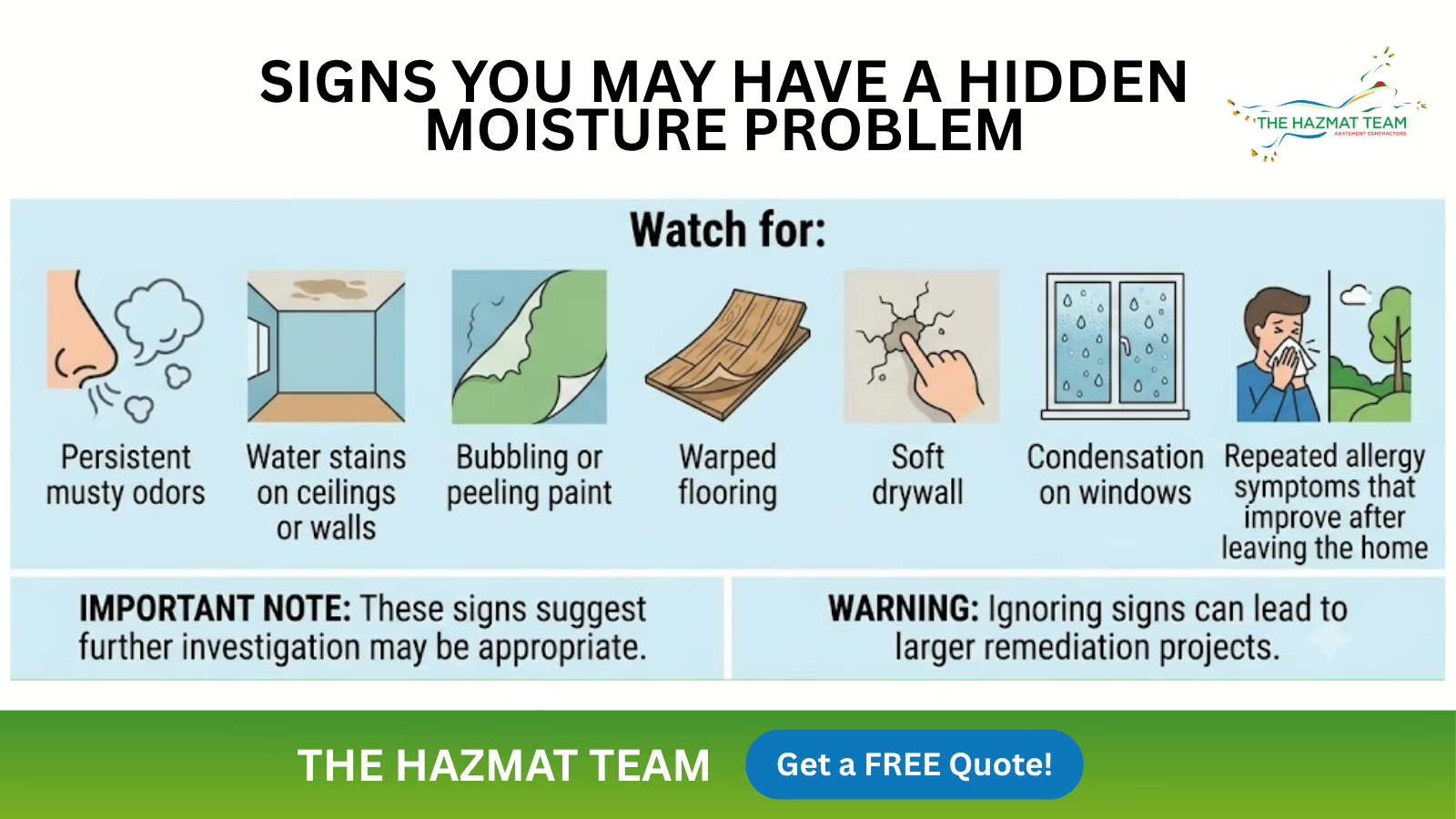
Signs You May Have a Hidden Moisture Problem
Because mold often develops out of sight, it’s important to recognize the warning signs that moisture may be present even when visible mold isn’t.
Watch for:
- Persistent musty odors
- Water stains on ceilings or walls
- Bubbling or peeling paint
- Warped flooring
- Soft drywall
- Condensation on windows
- Repeated allergy symptoms that improve after leaving the home
These signs don’t always confirm mold is present, but they do suggest that further investigation may be appropriate.
Ignoring these warning signs can allow relatively minor moisture problems to become much larger remediation projects over time.
Protect your property. Call 714-475-0925 today!
Final Thoughts
Mold doesn’t appear on its own—it grows because excess moisture has been allowed to remain inside a home.
Whether the source is a plumbing leak, roof leak, flooding, condensation, elevated humidity, or poor ventilation, identifying and correcting the moisture problem is the most important step in preventing mold growth.
Fortunately, many mold problems are preventable.
Routine home maintenance, prompt attention to water damage, proper ventilation, and maintaining healthy indoor humidity levels can significantly reduce the likelihood of mold developing.
If mold has already appeared, remember that cleaning the visible area alone may not solve the problem. Long-term success depends on correcting the moisture issue and addressing any mold contamination that has already developed, which is why understanding what causes mold to grow in a house is important.
The sooner moisture problems are identified, the easier—and often less expensive—they are to resolve.
Protect Your Home with Confidence
If you’ve discovered mold inside your home or business, THE HAZMAT TEAM is here to help.
We provide professional mold remediation and mold removal services for residential, commercial, and multi-family properties throughout Orange County and surrounding Southern California communities.
Our goal is simple:
- Safely remove mold contamination.
- Help restore a clean indoor environment.
- Communicate clearly throughout every stage of the project.
- Provide honest recommendations based on your property’s specific needs.
When moisture-source identification, structural drying, or post-remediation verification is needed, we work alongside qualified drying professionals and independent environmental consultants to help ensure every phase of the project is handled appropriately.
Whether you’re dealing with recent water damage, recurring mold, or hidden moisture concerns, our experienced team is committed to helping you protect your home, your property, and your peace of mind.
Contact THE HAZMAT TEAM today to schedule an inspection and receive a detailed estimate.
THE HAZMAT TEAM
The Name You Know. The Team You Trust.
Frequently Asked Questions About Mold Growth
Q: How quickly can mold start growing after water damage?
A: Mold can begin developing surprisingly quickly under the right conditions.
When building materials remain wet, mold may begin growing within 24 to 48 hours. The exact timeline for what causes mold to grow in a house depends on factors such as temperature, humidity, the type of building material, and the amount of moisture present.
Responding quickly to water damage is one of the most effective ways to reduce the likelihood of mold growth.
Q: Can mold grow behind walls?
A: Yes.
In fact, mold frequently develops in areas homeowners cannot see.
Common hidden locations include:
- Inside wall cavities
- Behind cabinets
- Beneath flooring
- Inside crawlspaces
- Attics
- Around plumbing pipes
- Behind shower walls
- Around window framing
Because these areas remain concealed, homeowners often discover the problem only after noticing a musty odor, water stains, or damage to surrounding building materials.
Q: Can mold grow without a leak?
A: Yes.
Although plumbing leaks and roof leaks are common causes, mold can also develop because of:
- High indoor humidity
- Poor ventilation
- Condensation
- Flooding
- HVAC condensation
- Damp crawlspaces
Any condition that allows building materials to remain damp can support mold growth.
Q: Can mold grow in a clean house?
A: Absolutely.
One of the biggest misconceptions about mold is that it only develops in dirty homes.
Mold is not caused by poor housekeeping.
It is caused by moisture.
Even an exceptionally clean home can develop mold after a plumbing leak, roof leak, appliance failure, or prolonged humidity problem.
Keeping a home clean is beneficial, but controlling moisture is what prevents mold.
Q: Will mold disappear once everything dries?
A: Drying building materials removes the moisture mold needs to continue growing.
However, existing mold contamination does not simply disappear on its own.
Depending on the extent of the contamination, professional mold remediation may still be necessary to safely remove affected materials and restore the indoor environment.
Q: Is mold always visible?
A: No.
Many mold problems remain hidden for months before becoming visible.
Some of the first warning signs include:
- Musty odors
- Water stains
- Peeling paint
- Bubbling drywall
- Warped flooring
- Persistent allergy symptoms while indoors
If you suspect hidden moisture, it’s important to investigate the source rather than waiting for visible mold to appear.
Q: Should I clean mold myself?
A: That depends on the size and extent of the problem.
Small areas of mold on hard, non-porous surfaces may sometimes be cleaned safely using appropriate methods.
However, larger mold problems—or mold affecting drywall, insulation, flooring, or concealed building materials—often require professional remediation.
Attempting to remove significant mold contamination without proper containment can spread mold spores into other areas of the home.
If you’re unsure about the extent of the problem, it’s generally best to have the situation evaluated before beginning demolition or cleanup.
Q: Can mold come back after remediation?
A: Yes—but only if the moisture problem returns or was never fully corrected.
Professional mold remediation removes existing mold contamination, but if a plumbing leak, roof leak, condensation issue, or elevated humidity remains, new mold growth can develop.
The best long-term prevention strategy is to:
- Repair water leaks promptly.
- Dry affected materials thoroughly.
- Maintain indoor humidity between 30% and 50%.
- Address moisture problems before mold has an opportunity to grow.
Q: Is mold testing always necessary?
A: Not always.
If mold is clearly visible and remediation is already planned, testing may not always provide additional value.
However, independent environmental consultants may recommend testing in situations involving:
- Hidden mold concerns
- Real estate transactions
- Insurance documentation
- Health-related concerns
- Post-remediation clearance verification
If testing is appropriate for your situation, we recommend working with an independent environmental consultant.
Services We Offer